In today's digital-first marketplace, having a great product or service is no longer enough. Businesses must also ensure that potential customers can find them online. For many local businesses, the biggest challenge is not delivering quality services but gaining visibility in an increasingly competitive digital landscape.
This case study explores how a local business transformed its online presence through a strategic digital marketing approach. While the business name has been omitted for privacy purposes, the journey reflects challenges commonly faced by small and medium-sized enterprises across industries.
At Nova Vision, we frequently encounter businesses that have excellent offerings but struggle to attract online traffic, generate leads, and compete with larger brands. This case demonstrates how a structured digital marketing strategy can significantly improve online visibility, customer engagement, and business growth.
The Initial Challenge
The business operated successfully through referrals and repeat customers for several years. While this approach generated a steady flow of inquiries, growth eventually began to plateau.
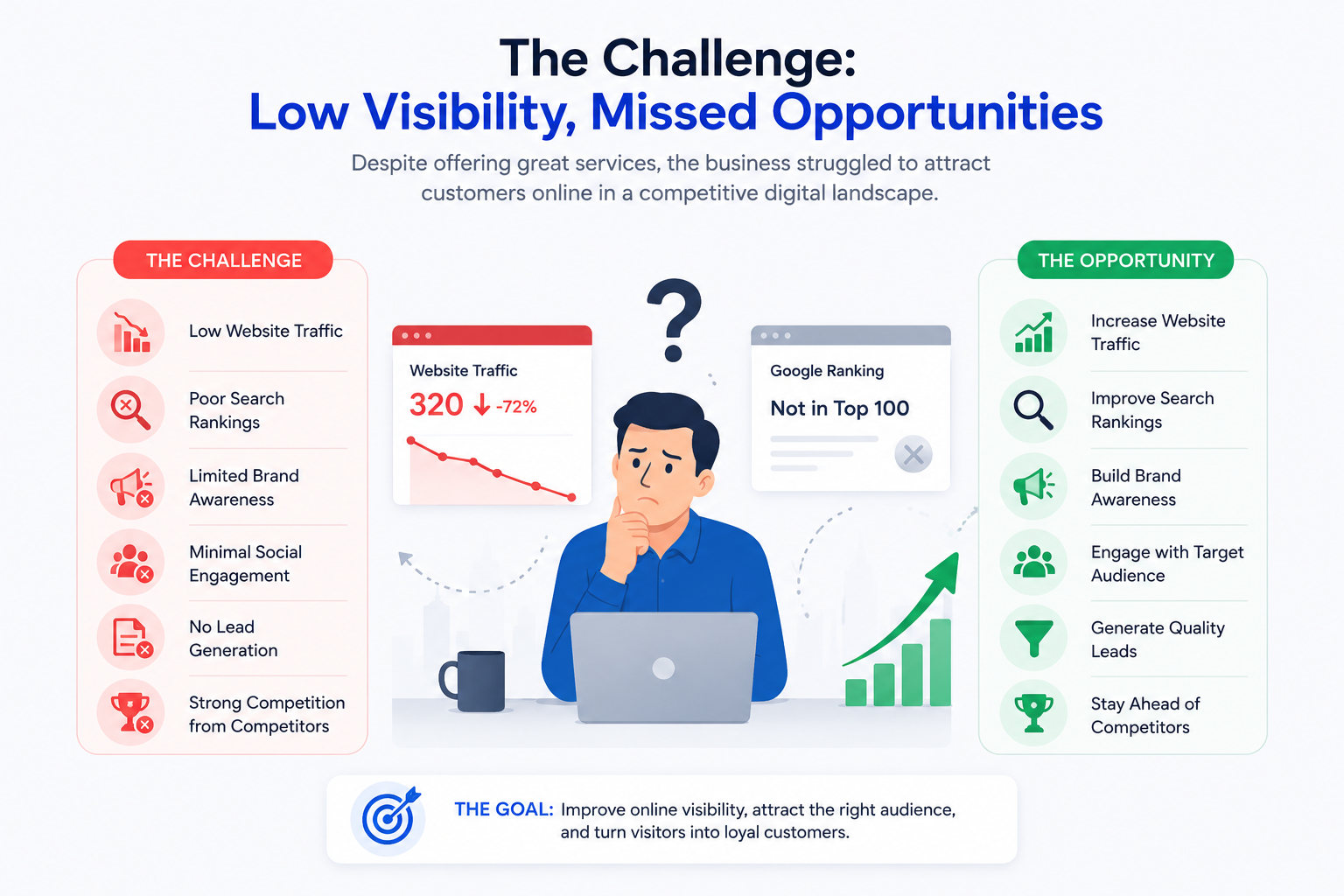
Several issues limited their online performance:
• Low website traffic
• Poor search engine rankings
• Limited brand awareness
• Minimal social media engagement
• Inconsistent online content
• Lack of lead generation channels
• Strong competition from established players
When potential customers searched for relevant services online, competitors consistently appeared before the business in search results. The company had a website, but it functioned more like an online brochure than a lead-generation tool. Traffic was low, and most visitors left without taking action.
The management team recognized that digital marketing was becoming essential for long-term growth and decided to invest in a comprehensive strategy.
Step 1: Conducting a Digital Marketing Audit
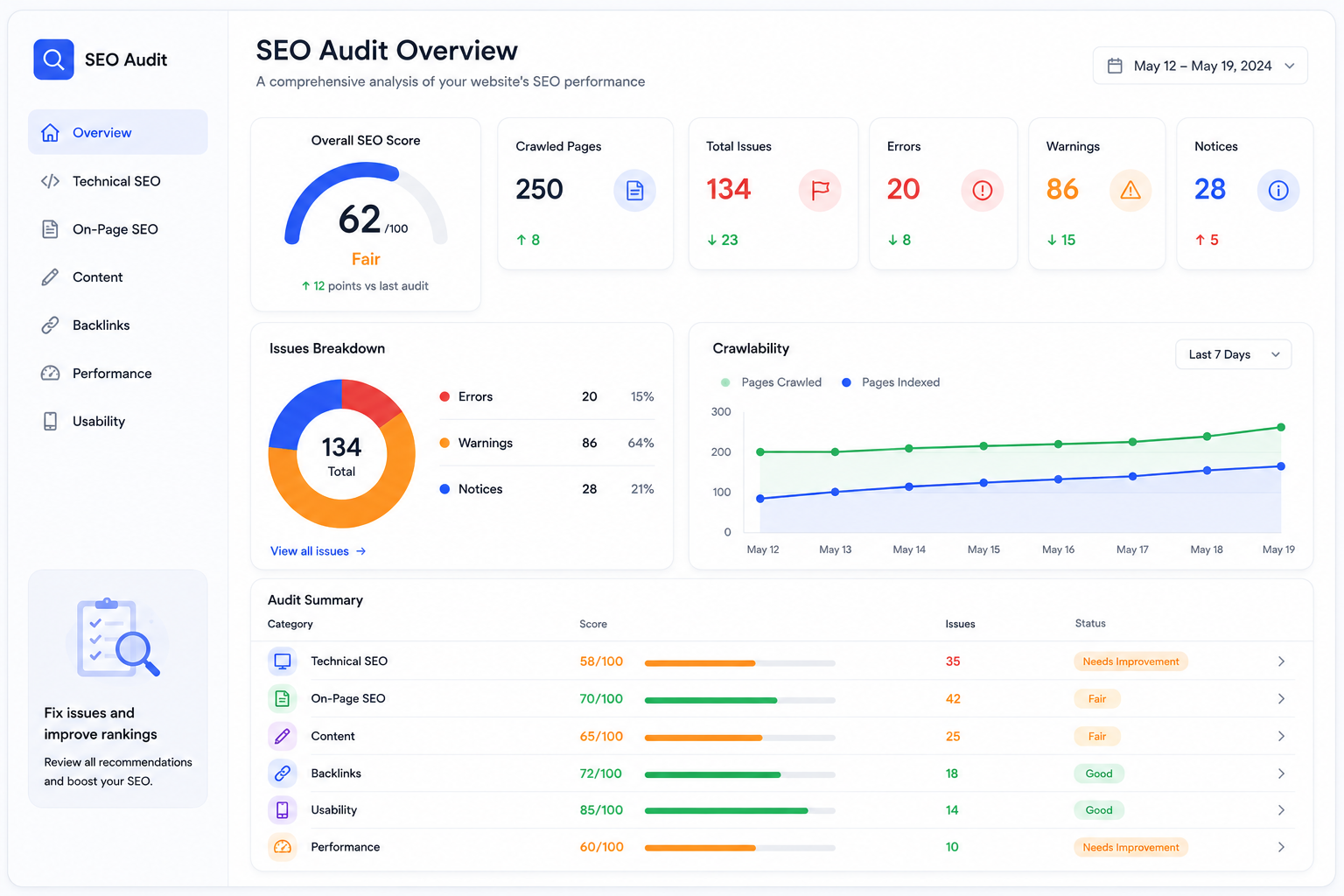
Before implementing any changes, a complete digital marketing audit was performed.
The objective was to identify strengths, weaknesses, opportunities, and gaps within the company's online presence.
The audit examined:
• Website performance
• SEO status
• Content quality
• Keyword rankings
• Competitor strategies
• Social media activity
• User experience
• Local search visibility
The findings revealed several opportunities for improvement.
The website lacked search engine optimization, important service pages were missing, and there was very little content targeting customer search intent. Additionally, social media platforms were underutilized and lacked a consistent content strategy.
Step 2: Defining Clear Business Goals
Rather than focusing solely on website traffic, the strategy centered on measurable business objectives.
Key goals included:
• Increasing local online visibility
• Improving search engine rankings
• Generating qualified leads
• Strengthening brand awareness
• Increasing website engagement
• Building long-term organic traffic
Establishing clear goals helped create a roadmap for future marketing activities.
Step 3: Developing an SEO Foundation
Search engine optimization became the cornerstone of the strategy.
The first step involved keyword research to identify phrases that potential customers were actively searching for.
Research focused on:
• Service-related keywords
• Local search terms
• Industry-specific phrases
• Long-tail keywords
• Customer questions
Based on this research, website content was restructured to align with search intent.
Several improvements were implemented:
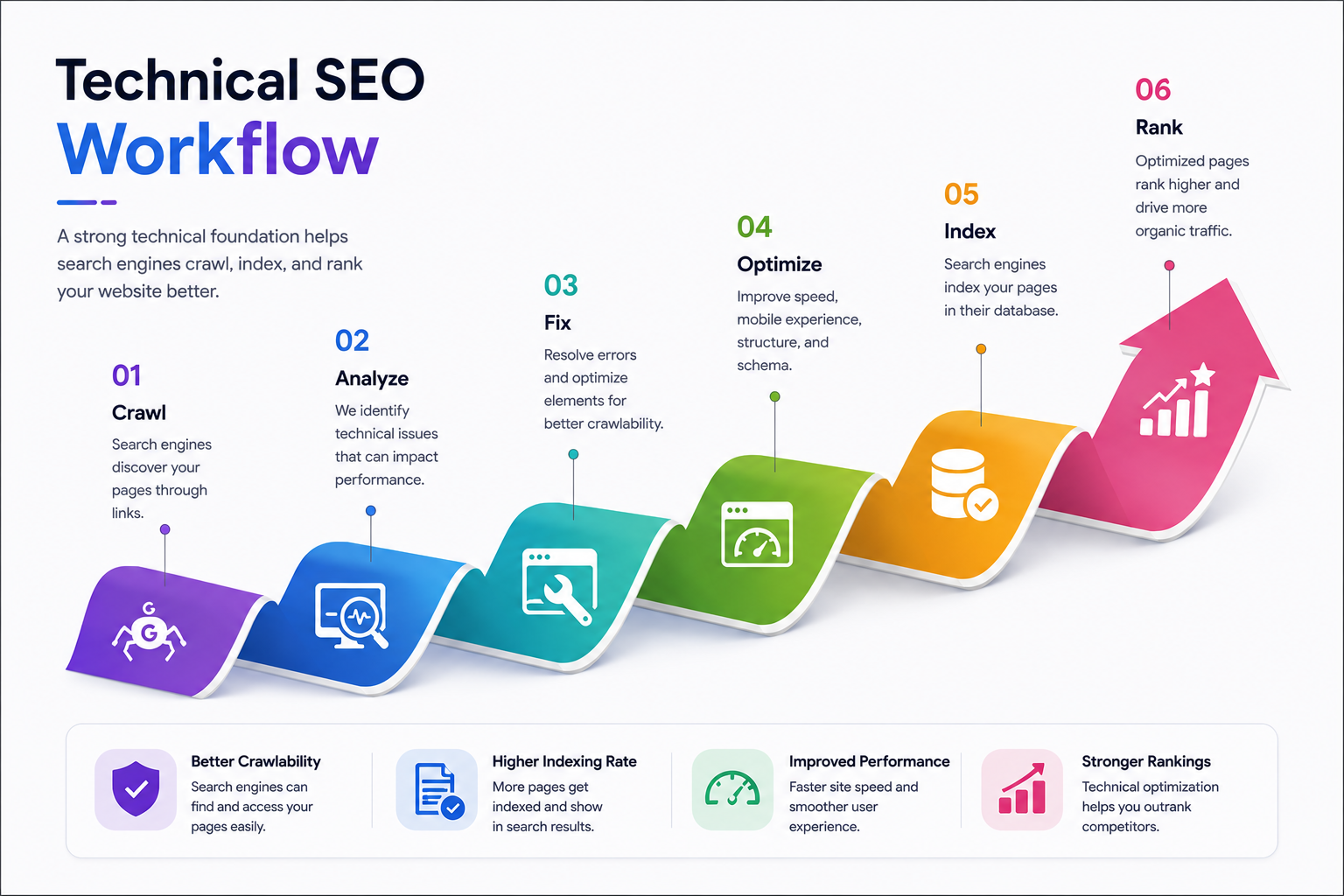
Technical SEO Enhancements
• Improved website speed
• Mobile responsiveness optimization
• Better URL structure
• Image optimization
• Internal linking improvements
• Meta title optimization
• Meta description enhancements
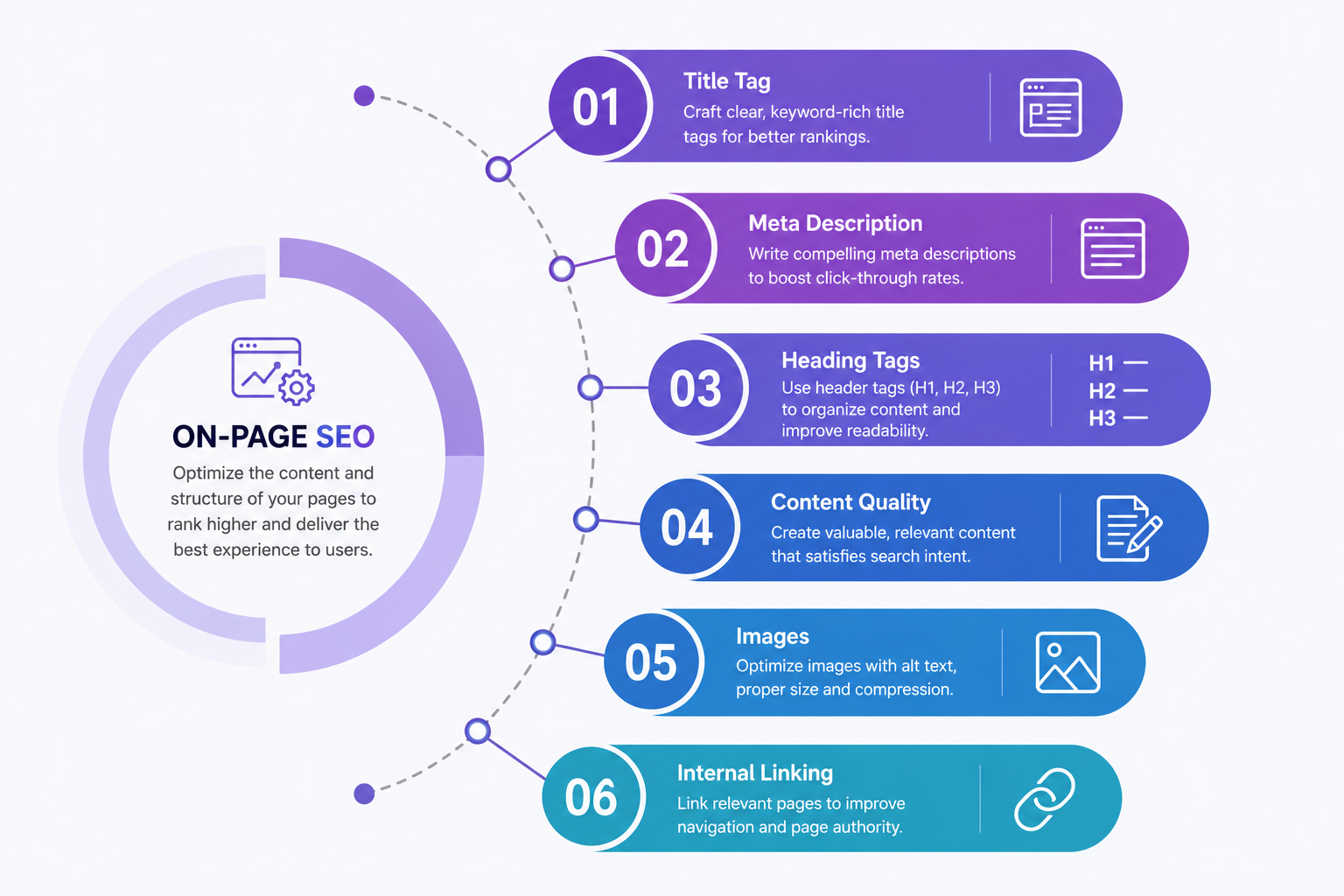
On-Page SEO Improvements
Every key service page was optimized with:
• Relevant keywords
• Improved headings
• Better content structure
• Enhanced user experience
• Clear calls to action
These changes helped search engines better understand the website's content and relevance.
Step 4: Creating a Content Marketing Strategy
One of the biggest gaps identified during the audit was the absence of valuable content.
The business had very few educational resources available online. To address this, a content marketing plan was developed.
The strategy focused on publishing:
• Blog articles
• Industry insights
• How-to guides
• Frequently asked questions
• Educational resources
• Customer-focused content
Rather than creating content solely for search engines, every article was designed to solve real customer problems.
Topics were selected based on:
• Search demand
• Customer inquiries
• Industry trends
• Seasonal opportunities
Over time, this content began attracting visitors who were actively seeking information related to the company's services.
Step 5: Strengthening Local SEO
For local businesses, visibility within local search results is critical. Many customers search for products and services using location-specific terms.
The local SEO strategy included:
• Business profile optimization
• Local keyword targeting
• Consistent business information
• Location-focused content
• Review management
• Local citation building
As local optimization improved, the business became more visible to customers searching within its target service area.
This increased both website visits and direct inquiries.
Step 6: Improving User Experience
Driving traffic to a website is only valuable if visitors take action.
Website analytics revealed that many users were leaving quickly without engaging further.
Several user experience improvements were implemented:
• Simplified navigation
• Clear contact information
• Improved mobile usability
• Better content organization
• Faster loading speeds
• Stronger call-to-action placement
These improvements helped visitors find information more easily and encouraged higher engagement.
Step 7: Building a Social Media Presence
Social media played an important supporting role in the overall strategy. Instead of focusing exclusively on promotional content, the business adopted a value-driven approach.
Content categories included:
• Educational tips
• Industry insights
• Customer success stories
• Behind-the-scenes content
• Frequently asked questions
• Community engagement
Consistency became a major focus.
Regular posting schedules helped increase visibility and audience interaction. As engagement grew, social media began driving additional traffic to the website.
Step 8: Leveraging Paid Advertising Strategically
While organic marketing formed the foundation of long-term growth, paid advertising was used to accelerate visibility.
Targeted campaigns were created to:
• Increase brand awareness
• Promote key services
• Generate inquiries
• Reach specific audiences
Rather than relying entirely on advertising, campaigns were carefully integrated with organic efforts.
This balanced approach ensured both immediate and sustainable results.
Step 9: Monitoring and Optimization
Digital marketing is not a one-time project.
Continuous monitoring was essential for maintaining momentum.
Performance metrics were reviewed regularly, including:
• Website traffic
• Search rankings
• Lead generation
• User behavior
• Social media engagement
• Conversion rates
Insights gained from analytics guided ongoing improvements. Content topics were refined, SEO opportunities were expanded, and campaign performance was continuously optimized.
Results Achieved
Over time, the business experienced significant improvements across multiple areas.
Increased Website Traffic
Organic traffic steadily increased as search visibility improved.
More potential customers discovered the website through relevant searches.
Better Search Engine Rankings
Target keywords moved higher within search results, helping the business compete more effectively against larger competitors.
Stronger Brand Awareness
Consistent content and social media activity increased brand recognition within the target market.
Improved Lead Generation
The combination of SEO, content marketing, and paid campaigns generated more qualified inquiries.
Higher User Engagement
Visitors spent more time on the website and interacted with multiple pages before converting.
Enhanced Customer Trust
Educational content helped establish the business as a knowledgeable and reliable industry resource.
Key Lessons Learned
Several important lessons emerged from this case study.
Digital Marketing Requires Patience
Meaningful results often take time. While paid advertising generated immediate visibility, organic growth developed gradually through consistent effort.
Content Creates Long-Term Value
Educational content continued attracting visitors months after publication. Unlike temporary campaigns, quality content remained a valuable asset.
SEO Is More Than Keywords
Technical optimization, user experience, content quality, and authority all contributed to improved rankings.
Consistency Matters
Success came from sustained activity rather than isolated marketing efforts.
Regular updates, ongoing optimization, and continuous engagement produced the strongest results.
Customer-Focused Strategies Perform Best
Marketing efforts that prioritized customer needs generated higher engagement and stronger business outcomes.
Overcoming Common Obstacles During Digital Transformation
While the results of digital marketing can be highly rewarding, the journey is rarely without challenges. During the implementation phase, the business encountered several obstacles that are common among local companies transitioning to a stronger online presence.
One challenge was adapting to a content-driven marketing approach. Previously, most customer acquisition came from referrals, so creating regular blog posts, social media updates, and educational resources was unfamiliar territory. Building a consistent content calendar required planning, research, and a commitment to long-term growth.
Another challenge involved competition. Established brands had already invested heavily in their digital presence, making it difficult to gain immediate visibility. Instead of attempting to compete broadly, the strategy focused on niche topics, localized keywords, and customer-specific concerns. This allowed the business to gradually establish authority within its market segment.
Managing customer reviews and online reputation also became an important focus area. Potential customers increasingly rely on reviews when evaluating businesses. Encouraging satisfied customers to share their experiences helped strengthen credibility and improve trust among prospective clients.
These challenges highlighted an important reality: successful digital marketing is not about quick fixes. It requires persistence, adaptability, and a willingness to continuously improve.
The Importance of Data-Driven Decision Making
One of the key advantages of digital marketing is the ability to measure performance accurately. Unlike traditional advertising methods, digital channels provide detailed insights into customer behavior and campaign effectiveness.
Throughout the project, data played a central role in decision-making.
Analytics revealed:
• Which pages attracted the most visitors
• What content generated the highest engagement
• Which keywords drove traffic
• How users navigated the website
• Where conversions were occurring
• Which marketing channels delivered the best results
Rather than relying on assumptions, every major optimization was supported by measurable insights. This data-driven approach helped maximize efficiency while ensuring resources were allocated to the most effective strategies.
As performance data accumulated, the business gained a deeper understanding of its audience. This knowledge enabled more targeted messaging, improved content planning, and stronger overall marketing outcomes.
Building Long-Term Competitive Advantages
Many businesses view digital marketing as a way to generate immediate leads. While lead generation is certainly important, the long-term advantages can be even more valuable.
As the business expanded its online presence, several competitive benefits emerged.
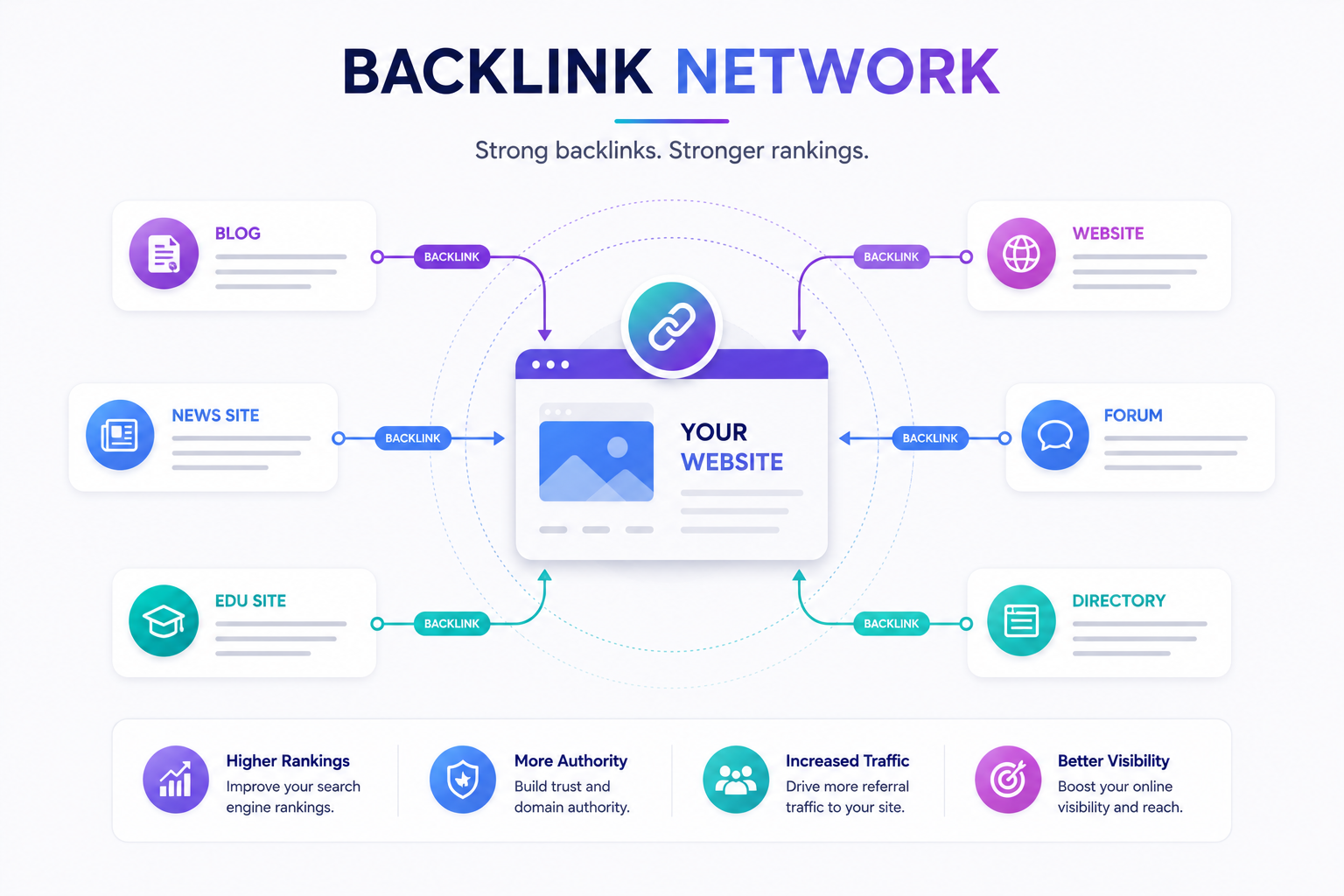
First, the growing library of optimized content created a valuable digital asset. Each article, guide, and resource increased the website's authority while providing ongoing opportunities for organic traffic.
Second, stronger search visibility reduced dependence on paid advertising. While advertising remained useful for targeted campaigns, organic traffic became an increasingly important source of qualified leads.
Third, enhanced brand recognition improved customer confidence. Prospective clients who encountered the business through search engines, social media, and educational content often arrived with a higher level of trust before making contact.
These cumulative advantages made it easier for the business to compete against larger organizations with bigger marketing budgets.
The Role of Integrated Digital Marketing
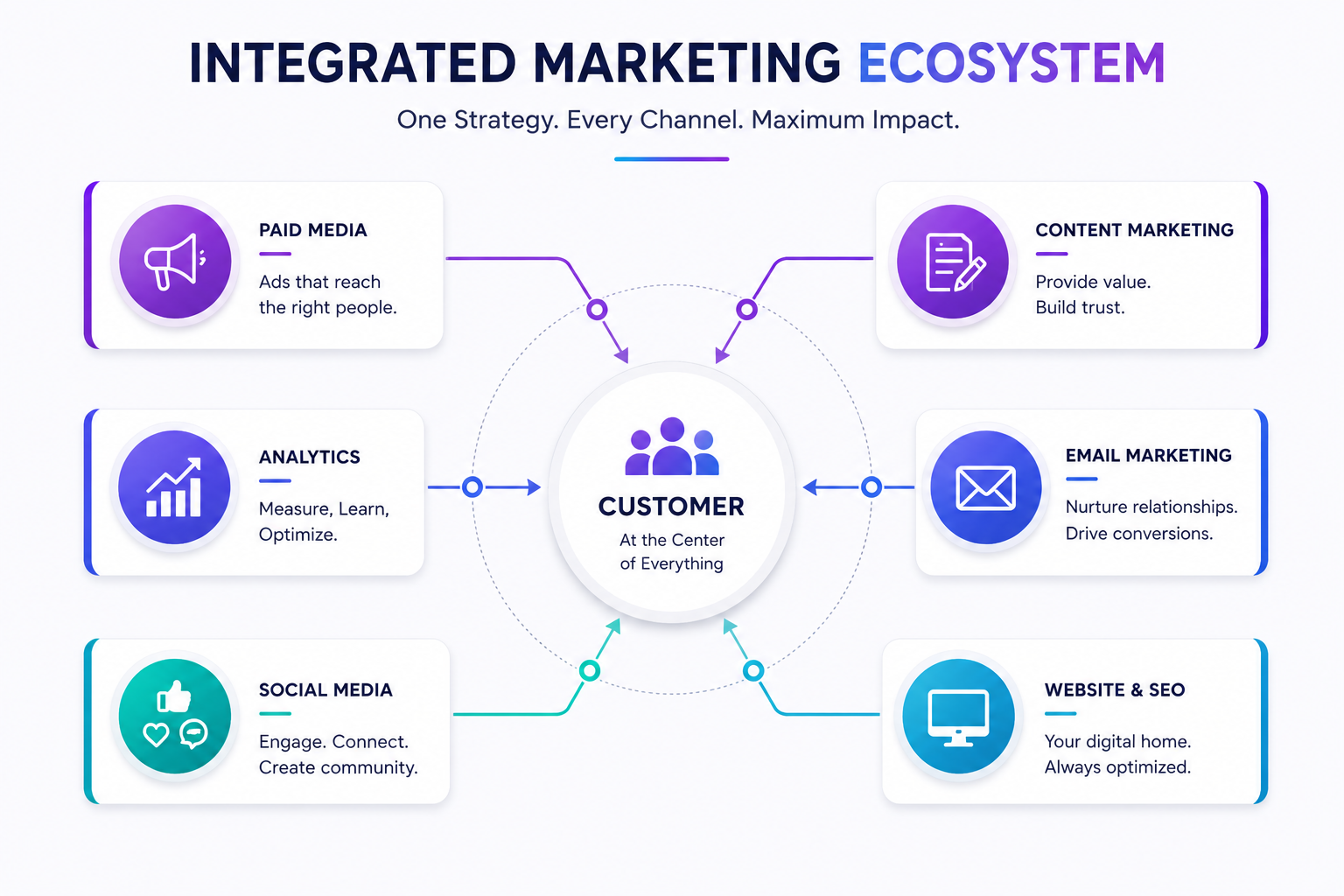
One of the most significant factors behind this success was the integration of multiple digital marketing channels. Instead of treating SEO, content marketing, social media, and advertising as separate activities, they were combined into a unified strategy.
Each channel supported the others:
• Content strengthened SEO.
• SEO increased visibility.
• Social media amplified content reach.
• Advertising accelerated growth.
• Analytics guided decision-making.
This integrated approach created a powerful digital ecosystem that supported sustainable business growth.
How Nova Vision Helps Businesses Improve Online Visibility
At Nova Vision, we understand that every business faces unique challenges when competing online.
Our approach combines:
• Search engine optimization
• Content marketing
• Social media management
• Website optimization
• Performance marketing
• Analytics and reporting
By focusing on both visibility and business outcomes, we help organizations attract the right audience and convert online opportunities into measurable growth.
Preparing for Future Growth
Digital marketing is not a destination—it is an ongoing process of growth and adaptation. Consumer behaviors, search engine algorithms, and digital platforms continue to evolve, creating new opportunities and challenges.
The business now has a stronger foundation for future expansion because its digital presence is built on sustainable principles rather than short-term tactics.
Moving forward, continued investment in SEO, content marketing, user experience, and audience engagement will help maintain momentum and support future growth objectives.
This case study demonstrates that local businesses do not need massive budgets to achieve meaningful results online. With a clear strategy, consistent execution, and a commitment to providing value, even smaller organizations can strengthen their visibility, attract qualified customers, and establish a lasting competitive advantage in the digital marketplace.
The success achieved through this transformation serves as a reminder that digital marketing is not simply about gaining attention—it is about creating meaningful connections, delivering value, and building a foundation for long-term business success. The digital landscape continues to evolve, making online visibility more important than ever.
This case study demonstrates that local businesses can compete effectively in crowded markets when they adopt a strategic digital marketing approach.
Through SEO, content marketing, local optimization, social media engagement, user experience improvements, and ongoing analysis, businesses can significantly increase their online presence and attract qualified customers. The journey from limited visibility to sustainable digital growth is not achieved overnight. However, with the right strategy, consistent execution, and a customer-focused mindset, local businesses can unlock new opportunities and build a stronger foundation for long-term success.
For organizations seeking to improve online visibility, digital marketing is no longer optional—it is a critical investment in future growth.