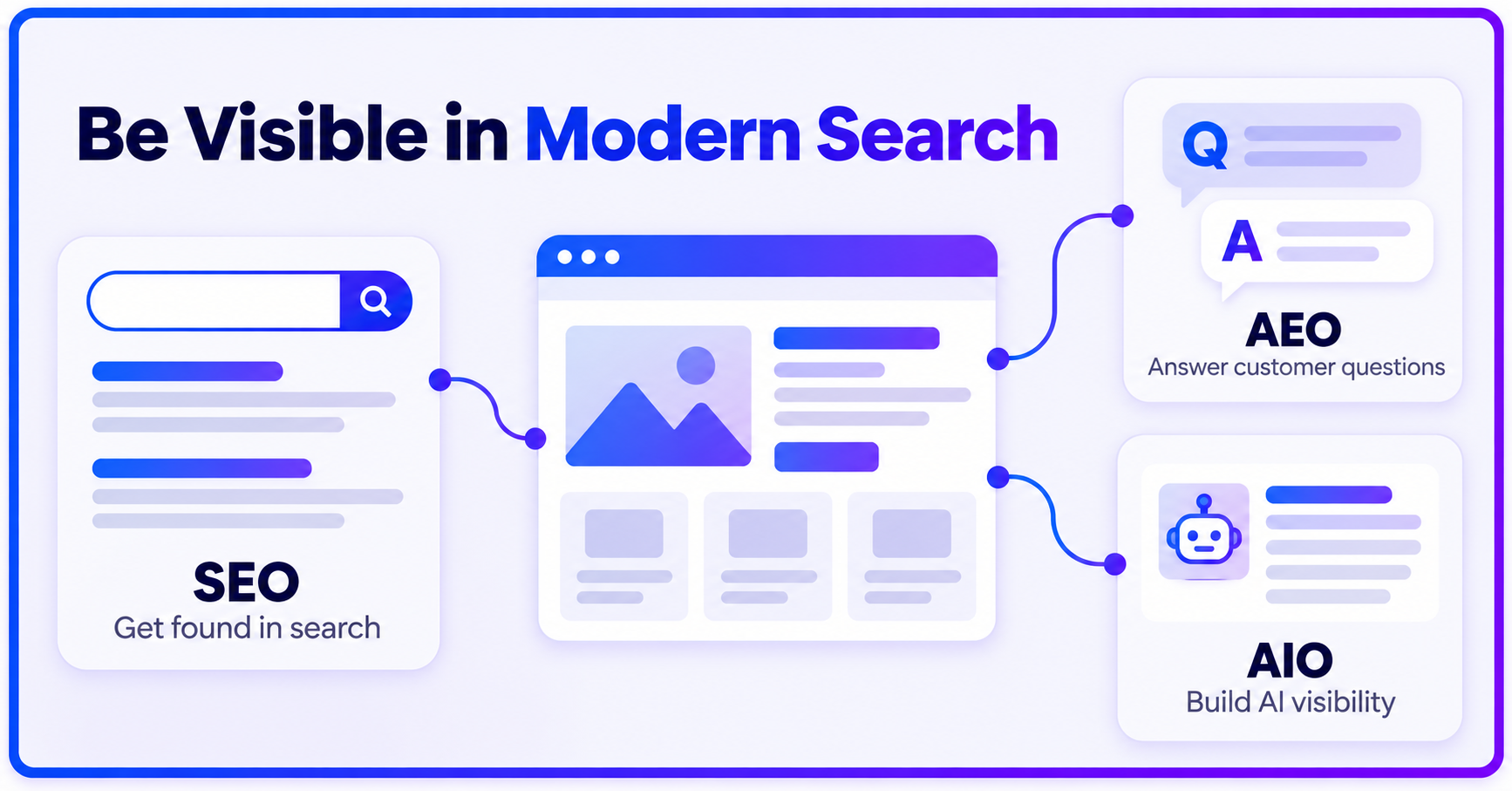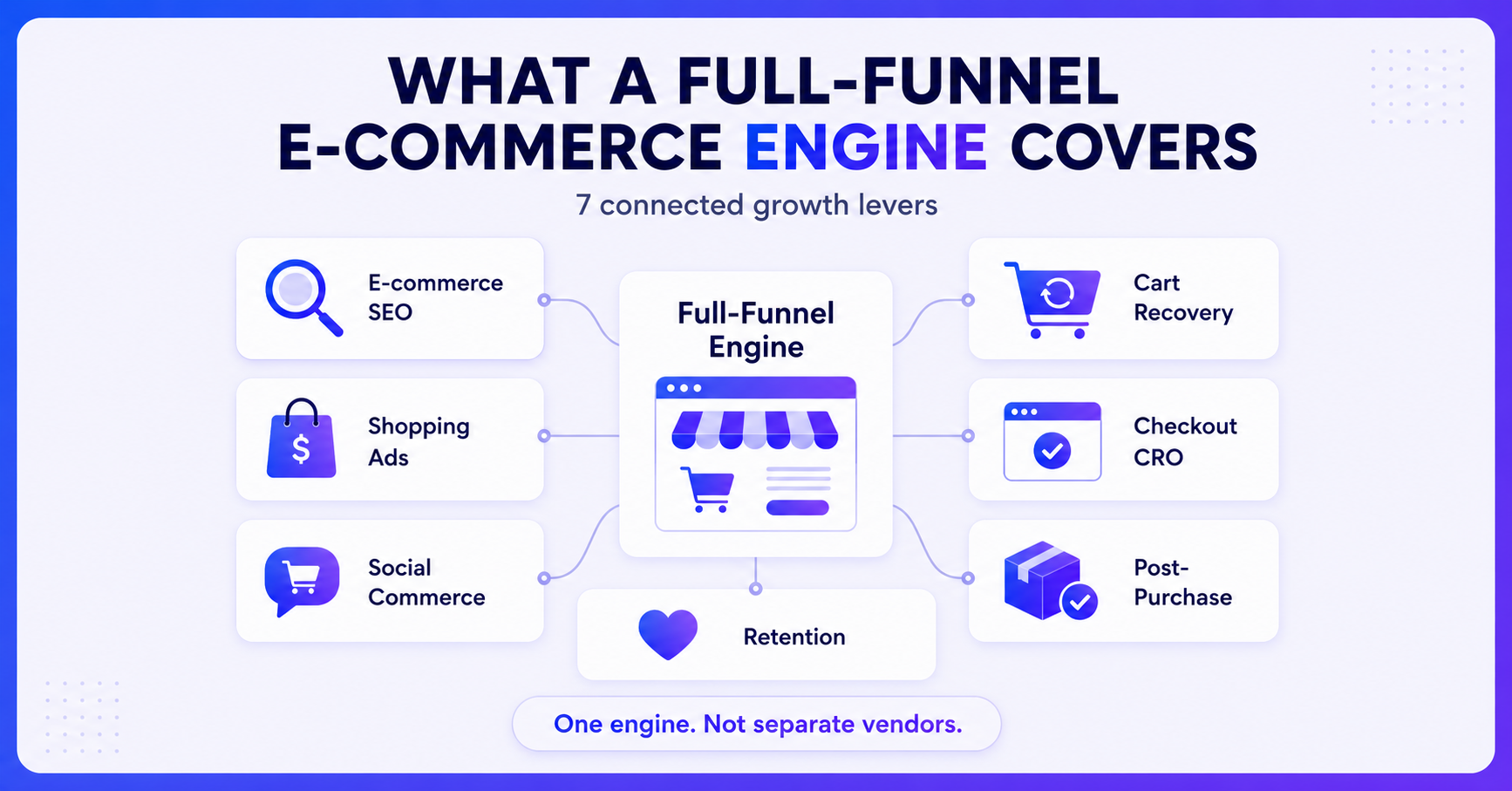
The way people search for information online is changing rapidly. While typing keywords into search engines remains common, an increasing number of users are now relying on voice assistants to find answers, discover businesses, and complete everyday tasks. From smartphones and smart speakers to wearable devices and connected cars, voice-enabled technology has become an integral part of modern life.
Consumers are asking questions using natural language rather than typing short keyword phrases. Instead of searching for "best SEO agency," users might ask, "Which is the best SEO agency near me for small businesses?" This shift is transforming how search engines interpret queries and how businesses must optimize their digital presence.
At Nova Vision, we recognize that voice search is reshaping the digital marketing landscape. As search behavior evolves, businesses need SEO strategies that align with conversational search patterns, user intent, and emerging technologies. Voice search optimization is no longer an optional enhancement—it is becoming an essential component of a successful SEO strategy.
Voice search is no longer a futuristic concept; it is a present-day reality that is influencing how consumers interact with search engines and brands. Businesses that understand and adapt to this evolution can gain a significant competitive advantage, while those that ignore it risk losing visibility in an increasingly voice-driven search environment. Through innovative SEO solutions and data-driven strategies, Nova Vision helps businesses stay ahead of changing search trends and maximize their online presence in the era of voice search.
Understanding Voice Search
Voice search allows users to perform online searches by speaking into a device rather than typing.
Popular voice-enabled technologies include:
-
Google Assistant
-
Siri
-
Amazon Alexa
-
Microsoft Copilot
-
Samsung Bixby
These platforms use artificial intelligence, natural language processing (NLP), and machine learning to understand spoken queries and provide relevant responses.
Unlike traditional text-based searches, voice searches are typically:
-
Longer
-
More conversational
-
Question-based
-
Context-driven
-
Intent-focused
This difference is at the heart of why voice search is reshaping SEO strategies.
The Growth of Voice Search
Voice search adoption continues to increase due to several factors:
Increased Smartphone Usage
Most smartphones now include built-in voice assistants.
Smart Speaker Adoption
Millions of households use voice-enabled devices daily.
Convenience
Speaking is often faster than typing.
Improved Accuracy
Advancements in AI have significantly improved voice recognition capabilities.
Multitasking
Voice search allows users to search while driving, cooking, exercising, or working.
As voice technology becomes more sophisticated, businesses must optimize for how people naturally communicate rather than how they type.
Traditional Search vs Voice Search
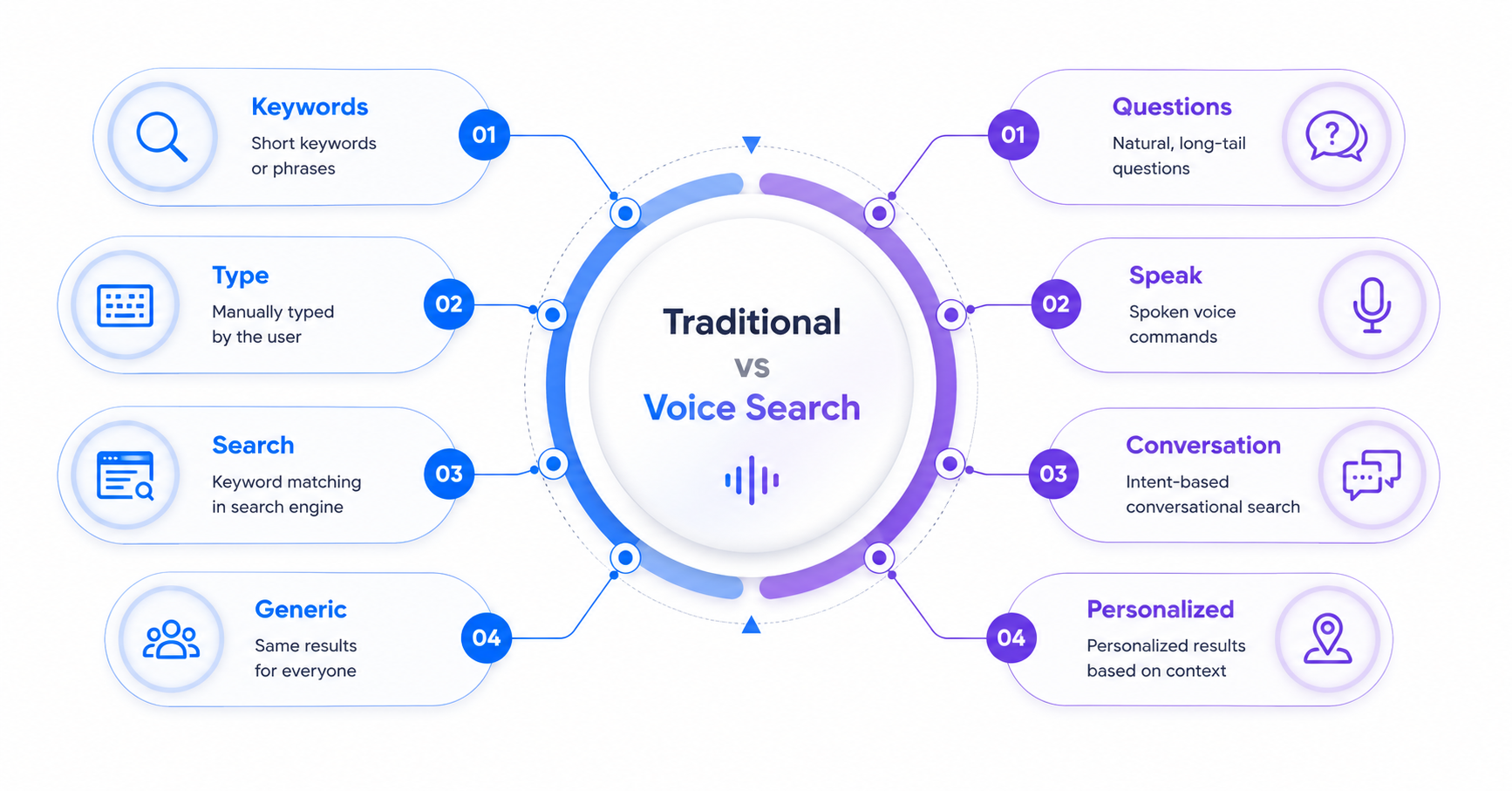
Understanding the difference between traditional and voice searches is essential.
Traditional Search
A user may type:
"SEO agency Delhi"
Voice Search
The same user may ask:
"Which SEO agency in Delhi can help my business rank higher on Google?"
The second query contains:
-
More words
-
Natural language
-
Clear intent
-
Contextual information
Search engines increasingly prioritize understanding these conversational queries.
Why Voice Search Matters for SEO
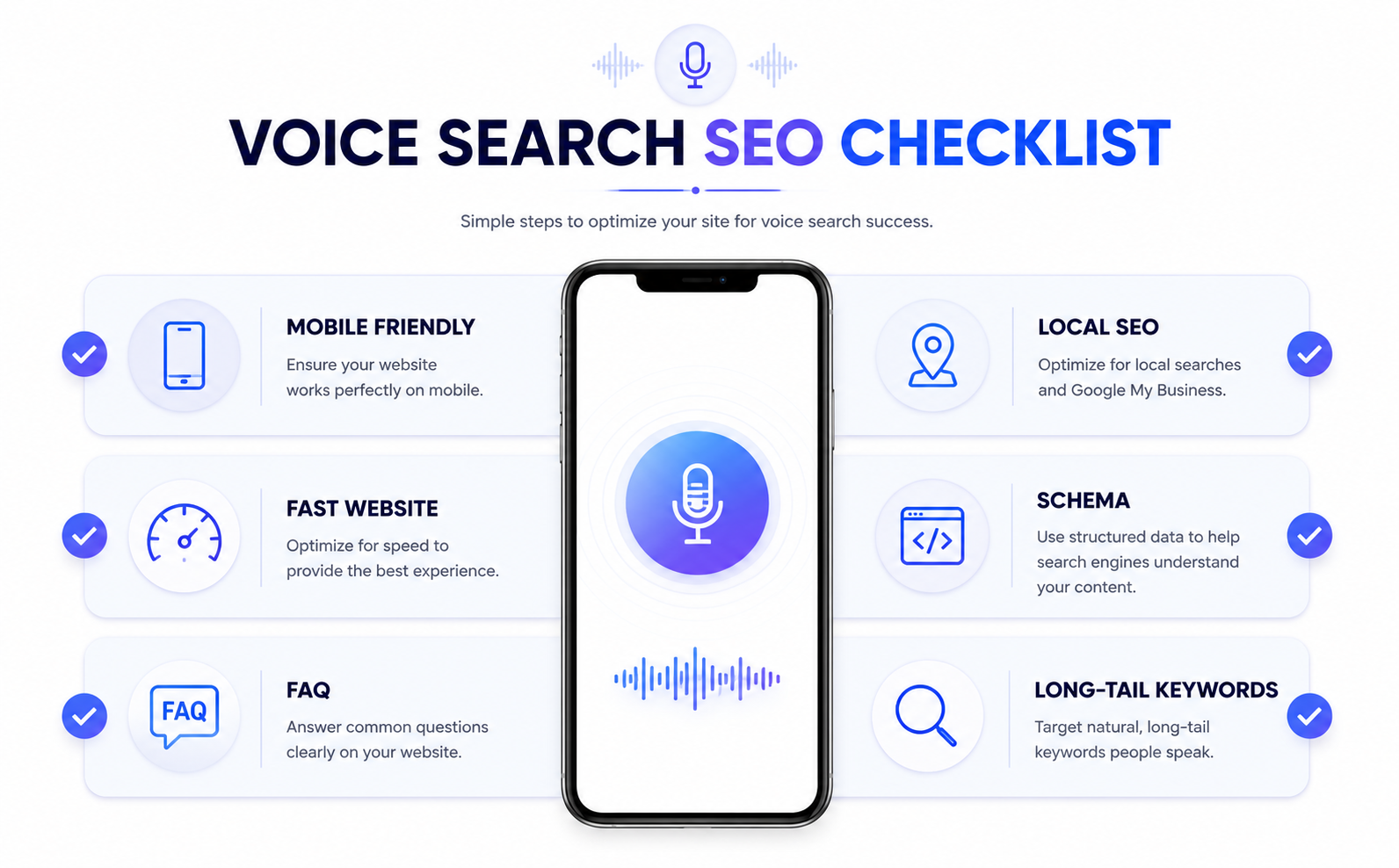
Voice search affects multiple aspects of SEO.
Businesses must rethink:
-
Keyword strategies
-
Content structure
-
Local SEO
-
User experience
-
Search intent optimization
Traditional keyword-focused tactics alone are no longer sufficient.
Modern SEO requires understanding how people ask questions and seek information through spoken interactions.
The Rise of Conversational Keywords
One of the biggest changes brought by voice search is the shift toward conversational keywords.
Traditional SEO often targeted short phrases such as:
-
Digital marketing agency
-
SEO services
-
Website optimization
Voice searches tend to be longer and more natural.
Examples include:
-
How can I improve my website rankings?
-
What are the best SEO services for small businesses?
-
Which digital marketing agency offers affordable solutions?
These longer phrases are known as long-tail keywords.
Long-tail keywords often:
-
Reflect stronger intent
-
Face less competition
-
Generate more qualified traffic
Businesses should incorporate conversational phrases into their content strategy.
Search Intent Becomes More Important Than Ever
Voice search places greater emphasis on understanding user intent.
Search engines aim to determine:
-
What the user wants
-
Why they are searching
-
What information will best satisfy their request
For example:
A typed search for "SEO" could mean many things.
A voice search such as "How does SEO help my business grow?" provides clearer context.
Businesses that create content addressing real customer questions are more likely to appear in voice search results.
The Importance of Featured Snippets
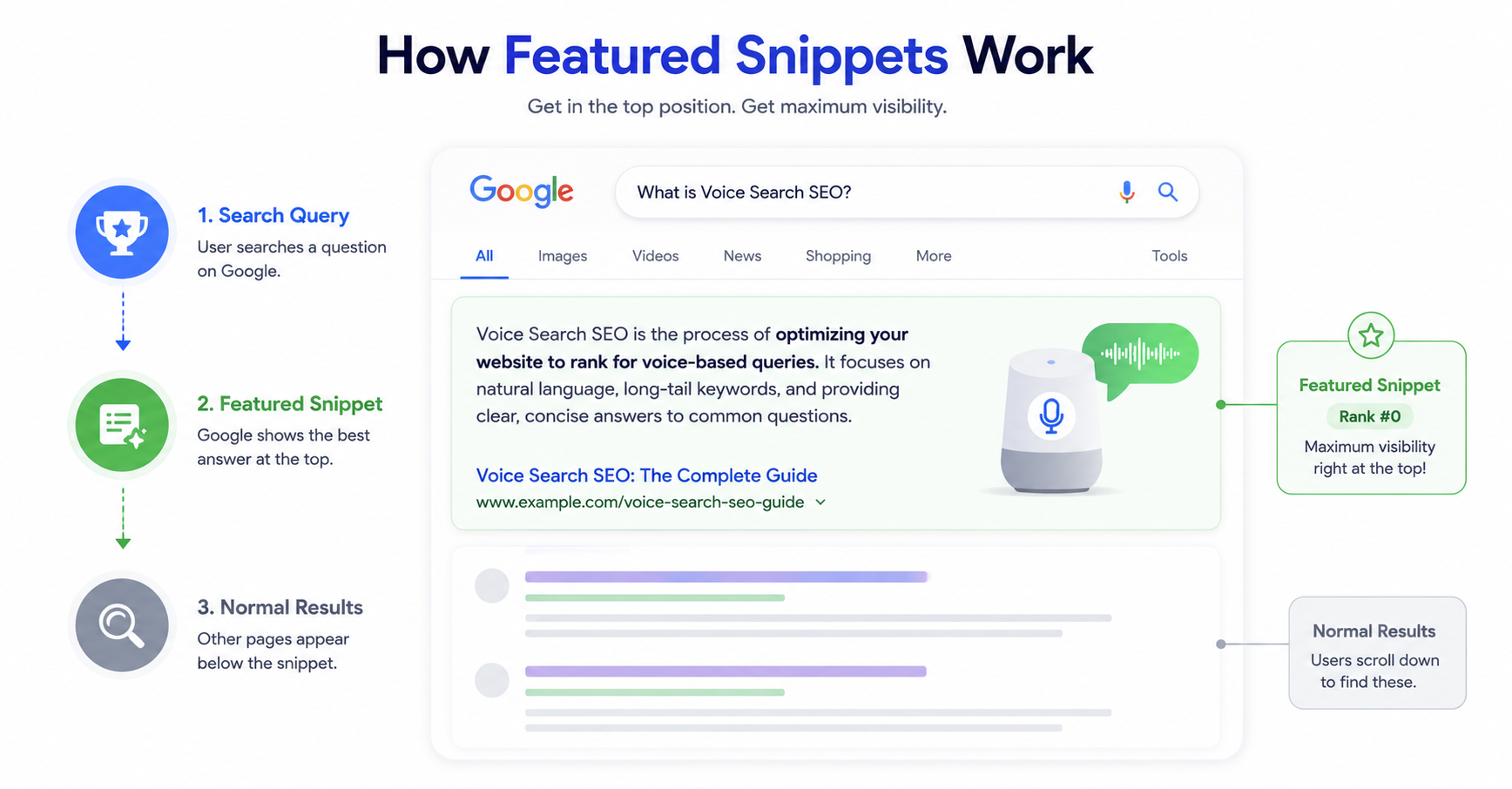
Featured snippets have become increasingly valuable in the voice search era.
A featured snippet is a highlighted search result that appears above traditional rankings.
Voice assistants frequently pull answers from these snippets.
Content optimized for featured snippets often includes:
-
Clear definitions
-
Direct answers
-
Numbered lists
-
Step-by-step instructions
-
Frequently asked questions
Winning a featured snippet can significantly increase visibility in voice search results.
Local SEO and Voice Search
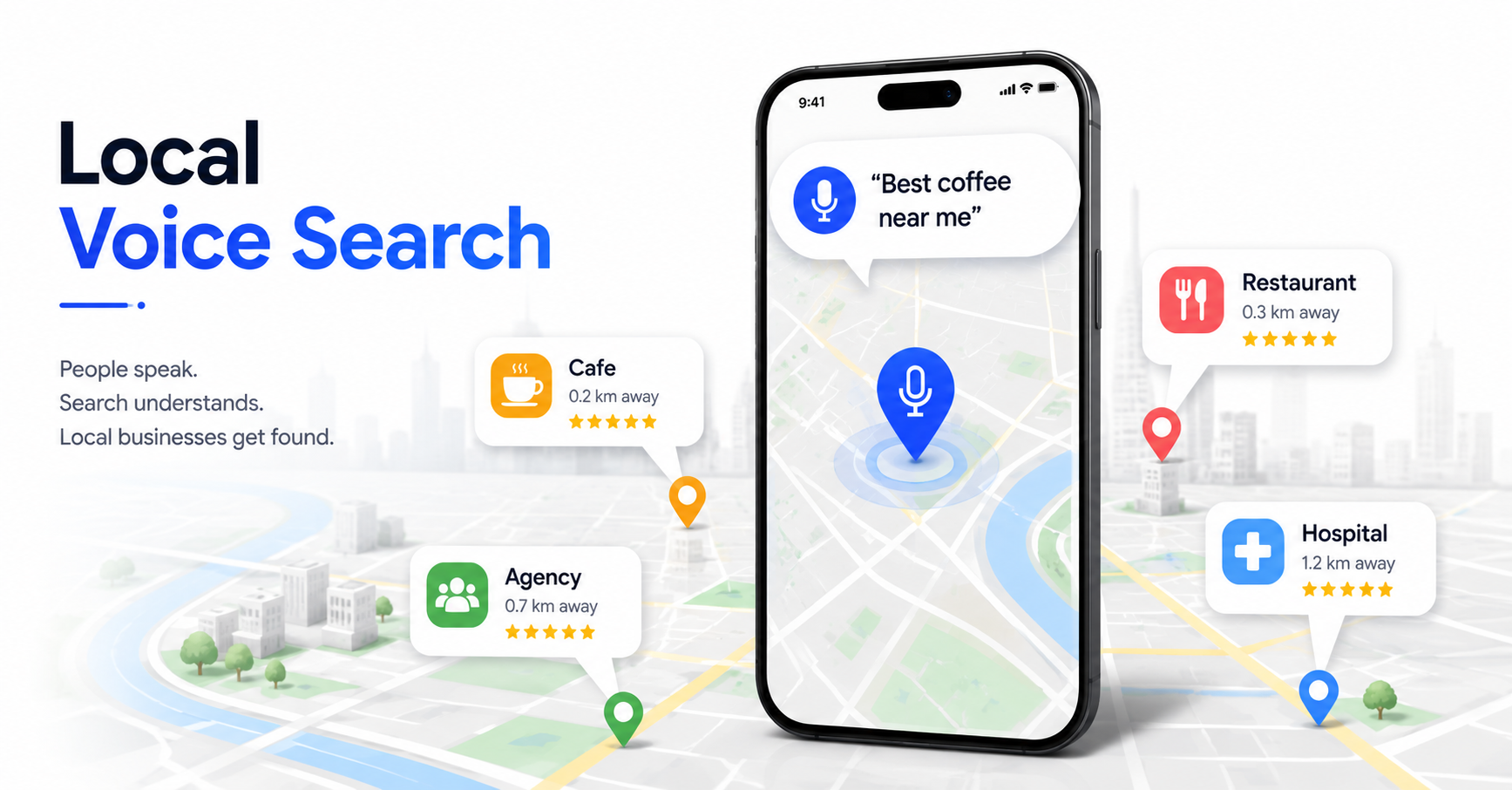
Voice search has transformed local SEO.
Many voice queries include local intent.
Examples include:
-
Restaurants near me
-
Best marketing agency nearby
-
Real estate developer close to me
-
Coffee shop open now
These searches often occur when users are ready to take immediate action.
Businesses should optimize for local search by:
-
Maintaining accurate business information
-
Updating business profiles
-
Using location-based keywords
-
Encouraging customer reviews
-
Creating local content
Strong local SEO helps businesses capture valuable voice-driven traffic.
Mobile Optimization Is Essential
Voice searches are commonly performed on mobile devices.
As a result, mobile optimization directly impacts voice search performance.
Important factors include:
Fast Loading Speed
Users expect immediate answers.
Responsive Design
Websites must function effectively on all screen sizes.
Easy Navigation
Users should find information quickly.
Mobile-Friendly Content
Content should be readable without excessive scrolling or zooming.
Search engines prioritize websites that deliver strong mobile experiences.
The Role of Natural Language Processing
Natural Language Processing (NLP) enables search engines to understand human speech patterns.
Instead of focusing solely on keywords, NLP analyzes:
-
Context
-
Intent
-
Relationships between words
-
Conversational meaning
This means content should be written naturally rather than stuffed with keywords.
Businesses should focus on creating content that sounds human and answers questions clearly.
FAQ Pages Are More Valuable Than Ever
Frequently Asked Questions (FAQ) sections align perfectly with voice search behavior.
People often ask voice assistants direct questions.
Examples include:
-
What is local SEO?
-
How does content marketing work?
-
Why is SEO important for businesses?
Dedicated FAQ content can improve visibility for voice-based searches.
Well-structured FAQ pages help search engines quickly identify relevant answers.
Content Structure and Voice Search
Content organization influences voice search performance.
Best practices include:
Clear Headings
Use descriptive headings that reflect common questions.
Short Answer Sections
Provide concise responses before expanding on details.
Bullet Points
Improve readability and accessibility.
Logical Formatting
Organize information clearly and consistently.
These elements help search engines extract relevant information more effectively.
Voice Search and Zero-Click Searches
Voice search contributes to the growth of zero-click searches.
In many cases, users receive answers directly from search engines without visiting a website.
This creates both challenges and opportunities.
Challenges:
-
Fewer website clicks
-
Increased competition for visibility
Opportunities:
-
Greater brand exposure
-
Increased authority
-
Enhanced search presence
Businesses must focus on becoming trusted information sources rather than relying solely on click-through traffic.
How Voice Search Is Influencing Consumer Decision-Making
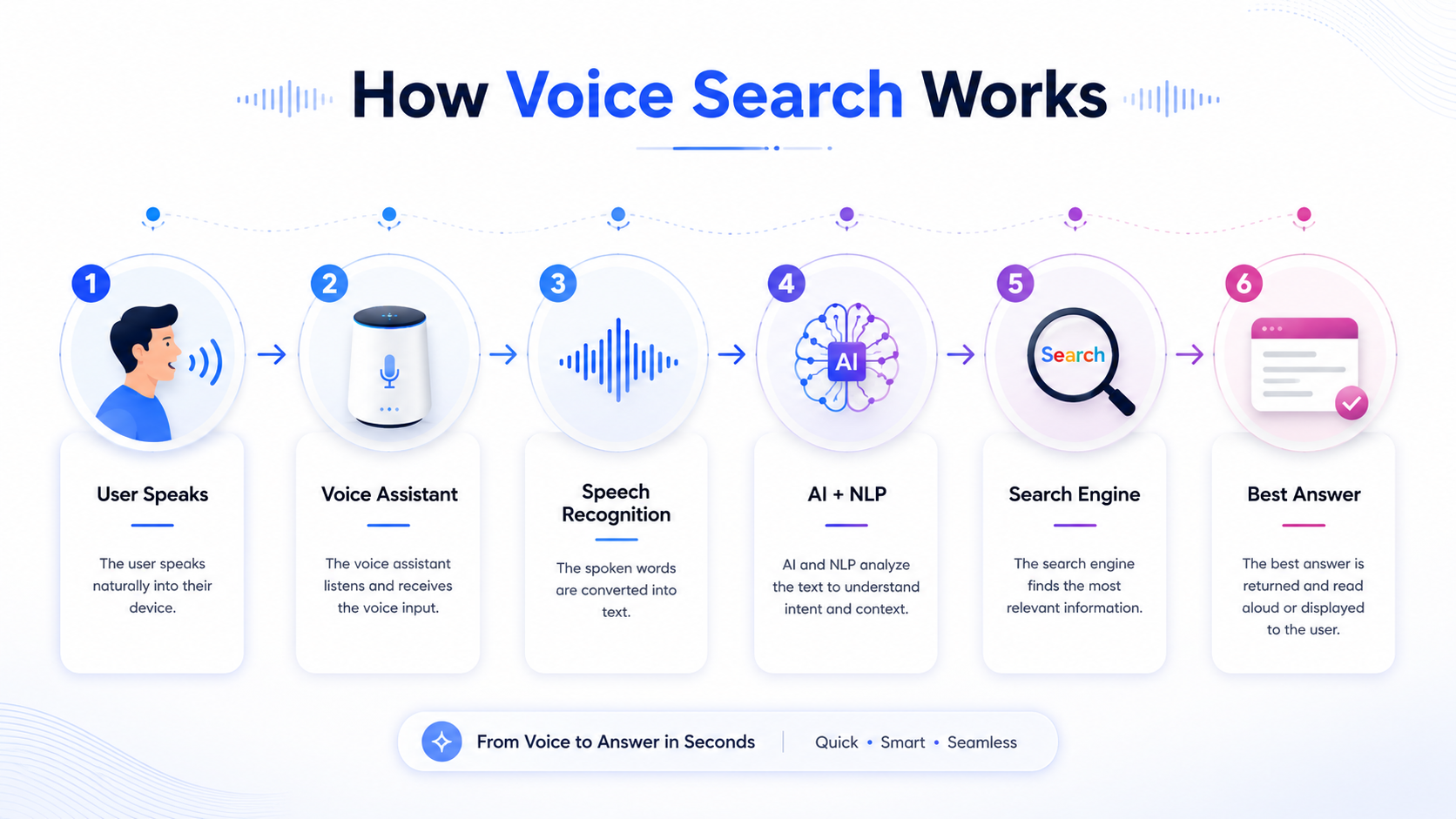
Voice search is not only changing how people search for information, but also how they make purchasing decisions. Modern consumers expect instant answers and seamless digital experiences. Whether they are looking for a nearby restaurant, comparing products, researching services, or seeking professional advice, voice assistants are becoming a trusted source of information.
This shift has significant implications for businesses. When users perform voice searches, they often have a clear objective and are closer to taking action. For example, someone asking, “Which digital marketing agency can help improve my website rankings?” is likely further along in the decision-making process than someone simply searching for “digital marketing.”
As a result, voice search traffic can be highly valuable because it often reflects stronger purchase intent. Businesses that provide clear, relevant, and authoritative answers are more likely to attract qualified prospects who are actively seeking solutions.
To capitalize on this trend, companies should focus on creating content that directly addresses customer concerns, answers common questions, and provides actionable guidance. This approach not only improves voice search visibility but also increases the likelihood of converting visitors into customers.
The Connection Between Voice Search and Artificial Intelligence
The rapid growth of voice search is closely linked to advancements in artificial intelligence. AI technologies enable voice assistants to understand natural language, recognize context, and deliver increasingly accurate responses.
Unlike traditional search algorithms that primarily relied on matching keywords, AI-powered systems evaluate:
-
User intent
-
Search history
-
Contextual meaning
-
Geographic location
-
Conversational patterns
This allows voice assistants to provide more personalized and relevant results.
For businesses, this means content must be optimized for meaning rather than simply repeating keywords. Search engines are becoming better at understanding topics, relationships between concepts, and the overall quality of information.
Organizations that invest in comprehensive, user-focused content are more likely to benefit from these advancements. Rather than creating content solely to satisfy search engines, businesses should aim to become authoritative resources that genuinely help their audiences.
Industry-Specific Opportunities Created by Voice Search
Voice search presents unique opportunities across various industries.
Healthcare
Patients frequently use voice assistants to search for symptoms, healthcare providers, treatment options, and wellness information. Medical organizations can improve visibility by creating informative and trustworthy content.
Real Estate
Homebuyers often ask voice assistants about property locations, housing prices, investment opportunities, and neighborhood information. Optimized local content can help real estate businesses attract highly targeted traffic.
E-Commerce
Online shoppers increasingly use voice search to compare products, check availability, and discover recommendations. Businesses that optimize product descriptions and FAQs can improve their chances of appearing in voice search results.
Professional Services
Law firms, consultants, financial advisors, and marketing agencies can benefit from creating educational content that answers common client questions and demonstrates expertise.
Regardless of industry, voice search rewards businesses that provide clear, accurate, and useful information.
Creating a Future-Ready SEO Strategy
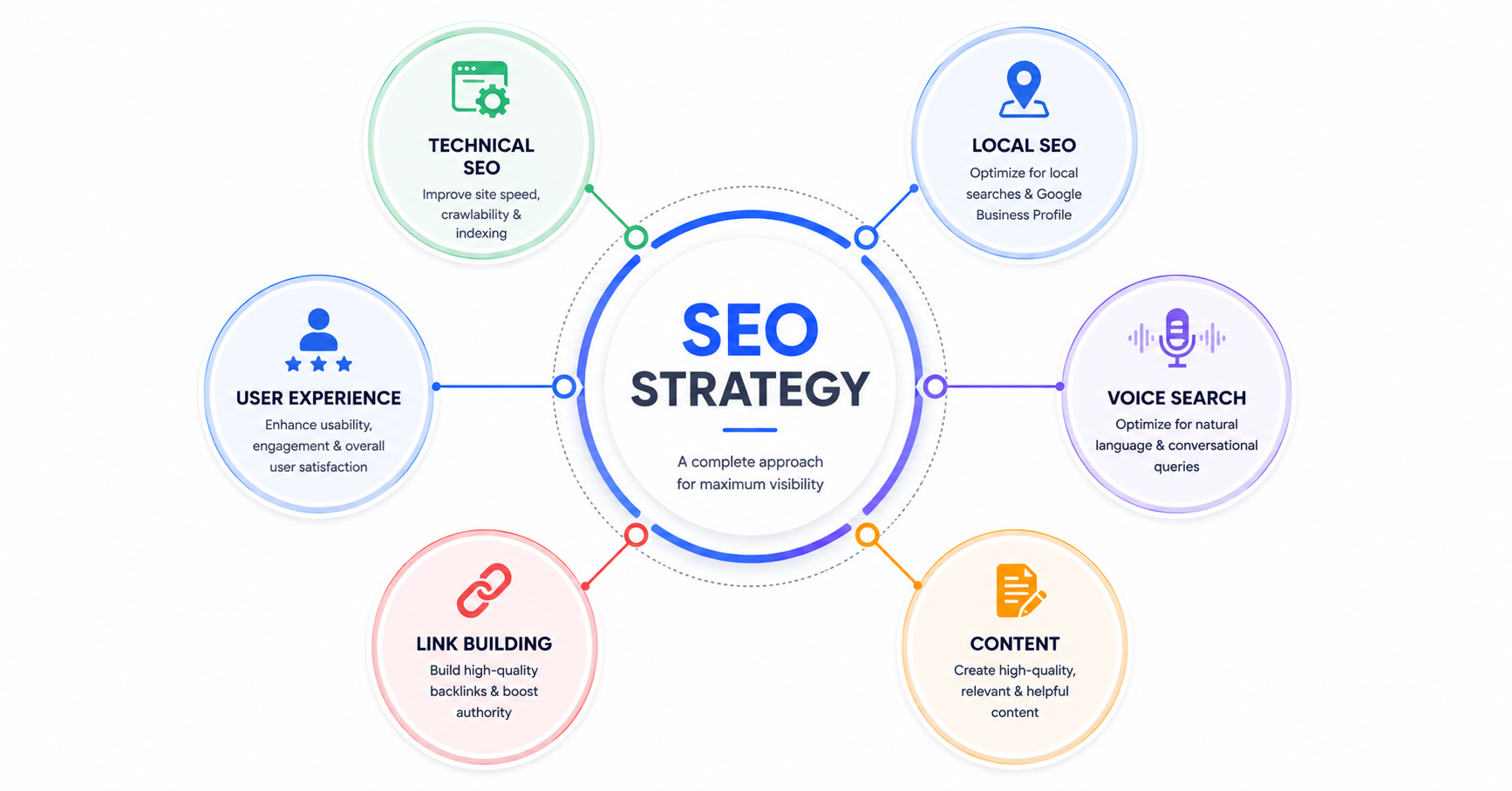
As voice technology continues evolving, businesses should view voice search optimization as part of a broader digital marketing strategy rather than an isolated tactic.
A future-ready SEO strategy should include:
-
High-quality content creation
-
Technical SEO optimization
-
Mobile-first website design
-
Strong local SEO practices
-
Conversational keyword targeting
-
Structured data implementation
-
User experience improvements
The businesses that succeed in the future will be those that adapt to changing search behaviors while maintaining a strong focus on customer needs.
Voice search represents more than just a new way to interact with technology. It reflects a broader shift toward more natural, intuitive, and personalized search experiences. By embracing this evolution today, businesses can strengthen their online visibility, improve customer engagement, and position themselves for long-term success in the next generation of search.
The Importance of Semantic SEO
Semantic SEO focuses on topics and meaning rather than individual keywords.
Search engines increasingly evaluate:
-
Topic relevance
-
Content depth
-
Subject expertise
-
Contextual relationships
For example, a comprehensive article about SEO should naturally discuss:
-
Keyword research
-
Technical SEO
-
Content marketing
-
User experience
-
Link building
This broader approach aligns with how voice search systems understand information.
Building Topic Clusters for Voice Search
Topic clusters help establish authority.
A cluster includes:
Pillar Content
Comprehensive content covering a broad topic.
Supporting Content
Related articles exploring subtopics in detail.
For example:
Pillar Topic:
SEO Strategy
Supporting Topics:
-
Local SEO
-
Technical SEO
-
Content Marketing
-
Voice Search Optimization
-
Link Building
Topic clusters strengthen relevance and improve search visibility.
Why E-E-A-T Matters in Voice Search

Google emphasizes:
-
Experience
-
Expertise
-
Authoritativeness
-
Trustworthiness
Voice assistants seek reliable information.
Content demonstrating strong E-E-A-T signals is more likely to be referenced within search results.
Businesses should:
-
Share expert insights
-
Publish accurate information
-
Maintain content quality
-
Update resources regularly
Trustworthy content improves both traditional and voice search performance.
How Voice Search Influences Content Marketing
Voice search changes content creation priorities.
Successful content now focuses on:
-
Real questions
-
Practical solutions
-
Conversational language
-
User needs
Rather than writing solely for search engines, businesses should create content designed to help people.
This user-first approach aligns with modern search algorithms.
Common Voice Search Optimization Strategies
Businesses should consider the following tactics:
Target Long-Tail Keywords
Focus on conversational phrases.
Answer Questions Directly
Provide concise responses to common queries.
Improve Page Speed
Fast websites perform better.
Optimize for Mobile
Ensure seamless mobile experiences.
Strengthen Local SEO
Capture location-based searches.
Use Structured Data
Help search engines understand content.
Create FAQ Content
Address customer questions directly.
Future Trends in Voice Search
Several trends are likely to shape the future:
More Conversational AI
Search experiences will become increasingly interactive.
Personalized Results
Search engines will tailor responses based on user behavior.
Greater Integration
Voice technology will expand across devices and platforms.
AI-Powered Search Experiences
Voice search will increasingly merge with AI-generated search results.
Businesses that adapt early will be better positioned for long-term success.
How Nova Vision Helps Businesses Prepare for Voice Search
As voice search continues evolving, businesses need SEO strategies that address changing search behaviors.
Nova Vision helps organizations strengthen digital visibility through:
-
Search engine optimization
-
Content marketing
-
Technical SEO
-
Website optimization
-
Local SEO
-
Digital growth strategies
By combining user-focused content with modern SEO best practices, businesses can improve visibility across both traditional and voice-driven search environments.
Voice search is transforming the way people discover information online. As consumers increasingly rely on spoken queries, businesses must rethink traditional SEO approaches and embrace more conversational, intent-driven strategies.
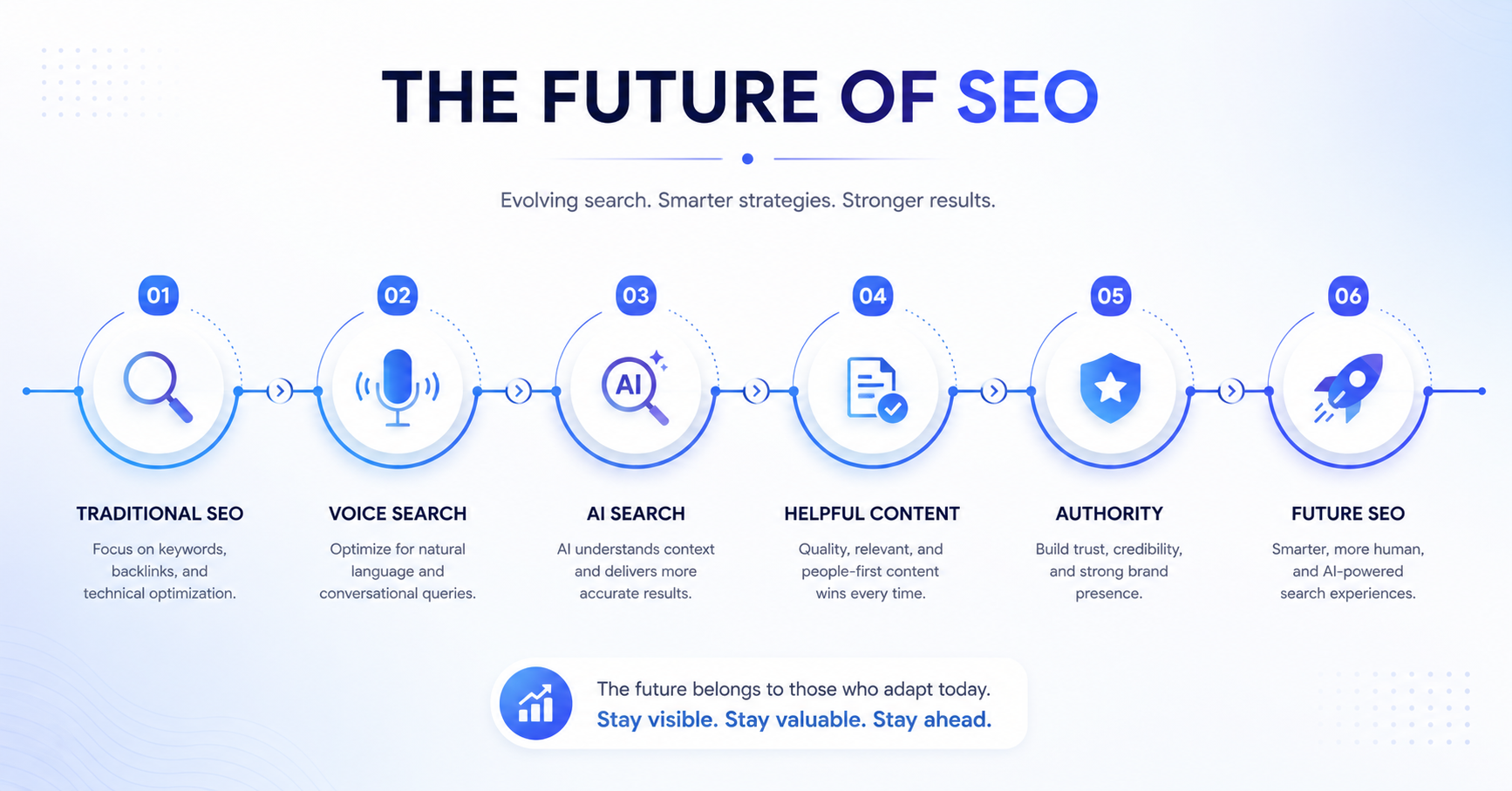
The future of SEO will be shaped by natural language, user experience, local relevance, and content quality. Organizations that optimize for voice search today will be better prepared for tomorrow's search landscape.
Rather than viewing voice search as a separate strategy, businesses should treat it as an essential component of modern SEO. By focusing on helpful content, conversational keywords, technical excellence, and user needs, brands can improve visibility, strengthen authority, and remain competitive in an increasingly voice-first world.