In today's competitive digital landscape, simply having a website is no longer enough. Your website needs to be optimized so that search engines like Google can easily understand, crawl, and rank it. An SEO-friendly website not only improves your visibility in search results but also provides a better experience for visitors, leading to increased traffic, higher engagement, and more conversions.
Whether you're a startup, local business, or established enterprise, investing in an SEO-friendly website is one of the smartest decisions you can make for long-term online success. At Nova Vision, we help businesses build and optimize websites that attract both search engines and customers.
What Is an SEO-Friendly Website?
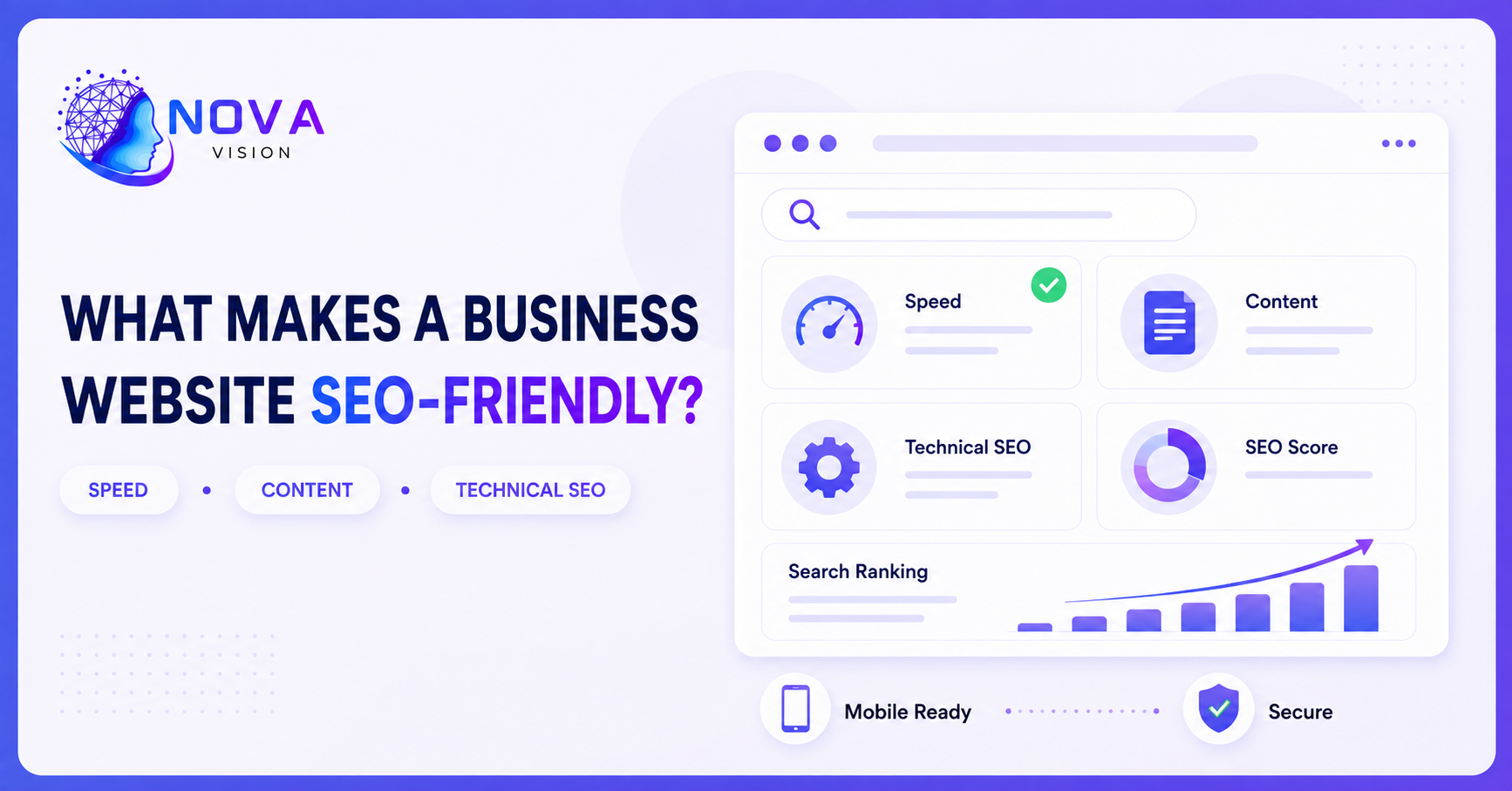
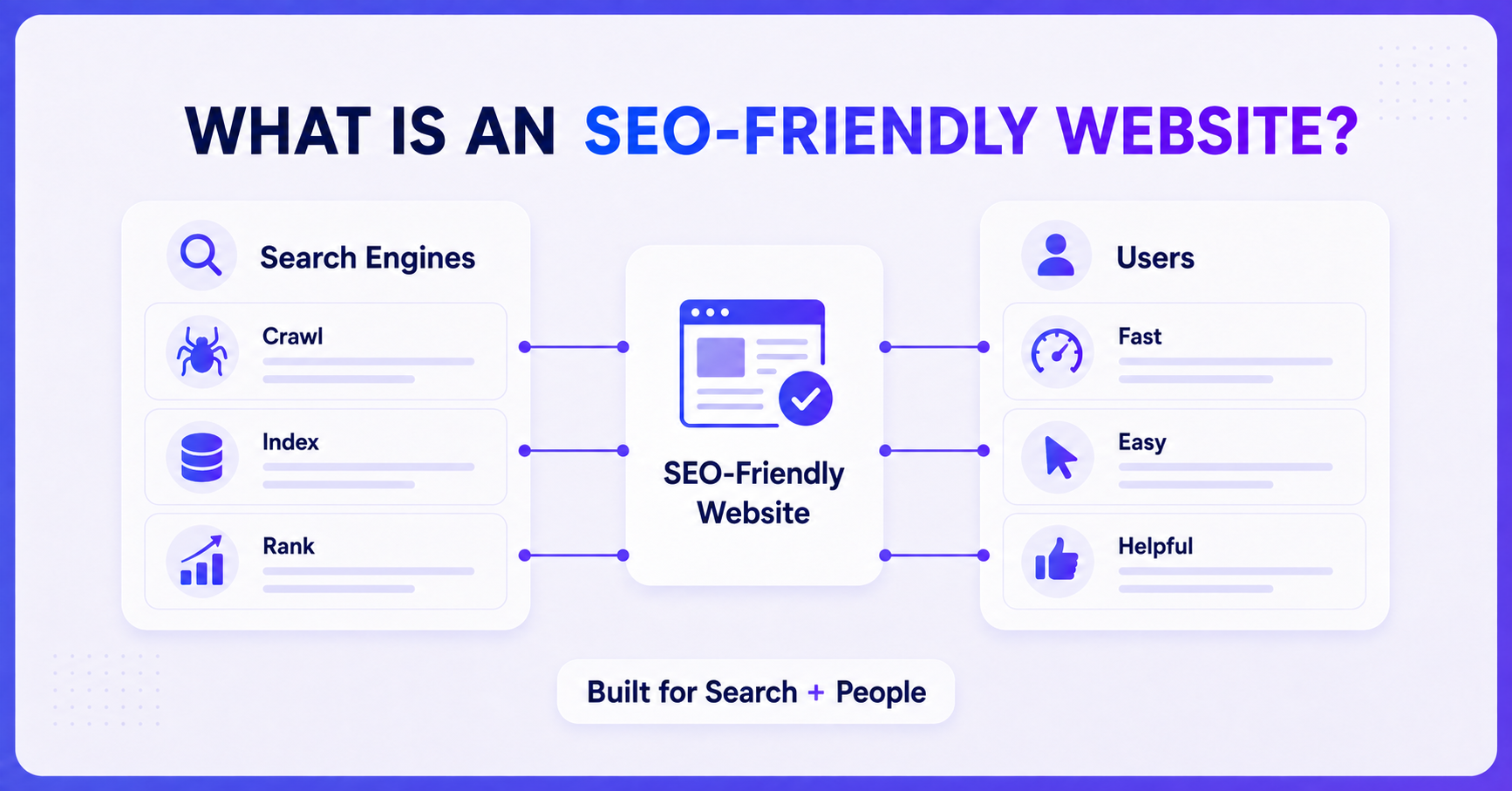
An SEO-friendly website is designed and optimized to help search engines understand its content while providing users with a seamless browsing experience. It combines technical optimization, quality content, user-friendly design, and performance improvements to improve rankings in search engine results pages (SERPs).
An SEO-friendly website makes it easier for search engines to crawl your pages, index your content, and display it to users searching for relevant products or services.
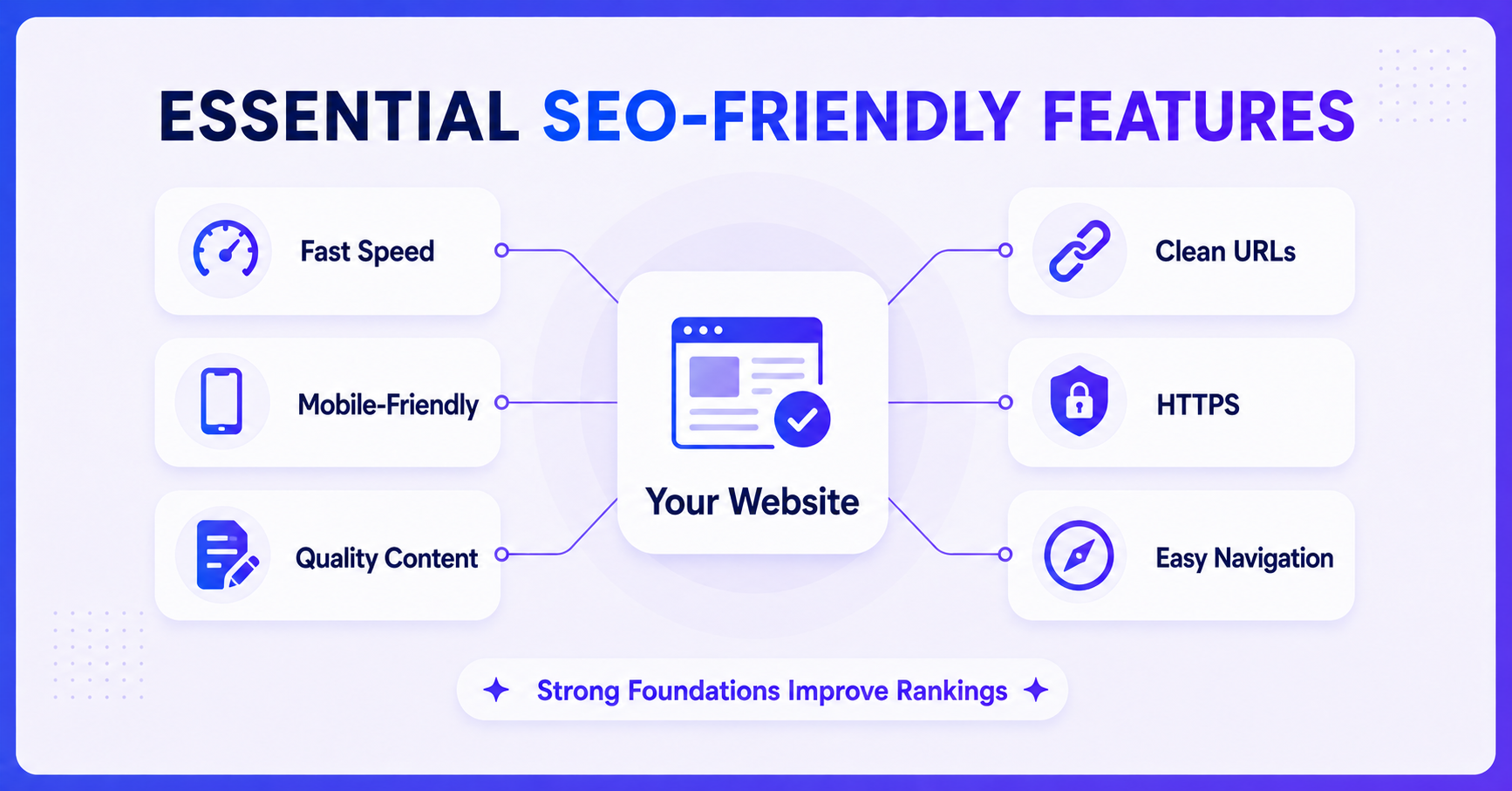
Essential Features of an SEO-Friendly Website
1. Fast Website Loading Speed
Website speed is one of Google's ranking factors.
Visitors expect websites to load quickly. If your pages take too long, users often leave before interacting with your content.
A fast website offers:
-
Better user experience
-
Lower bounce rates
-
Higher search rankings
-
Improved conversion rates
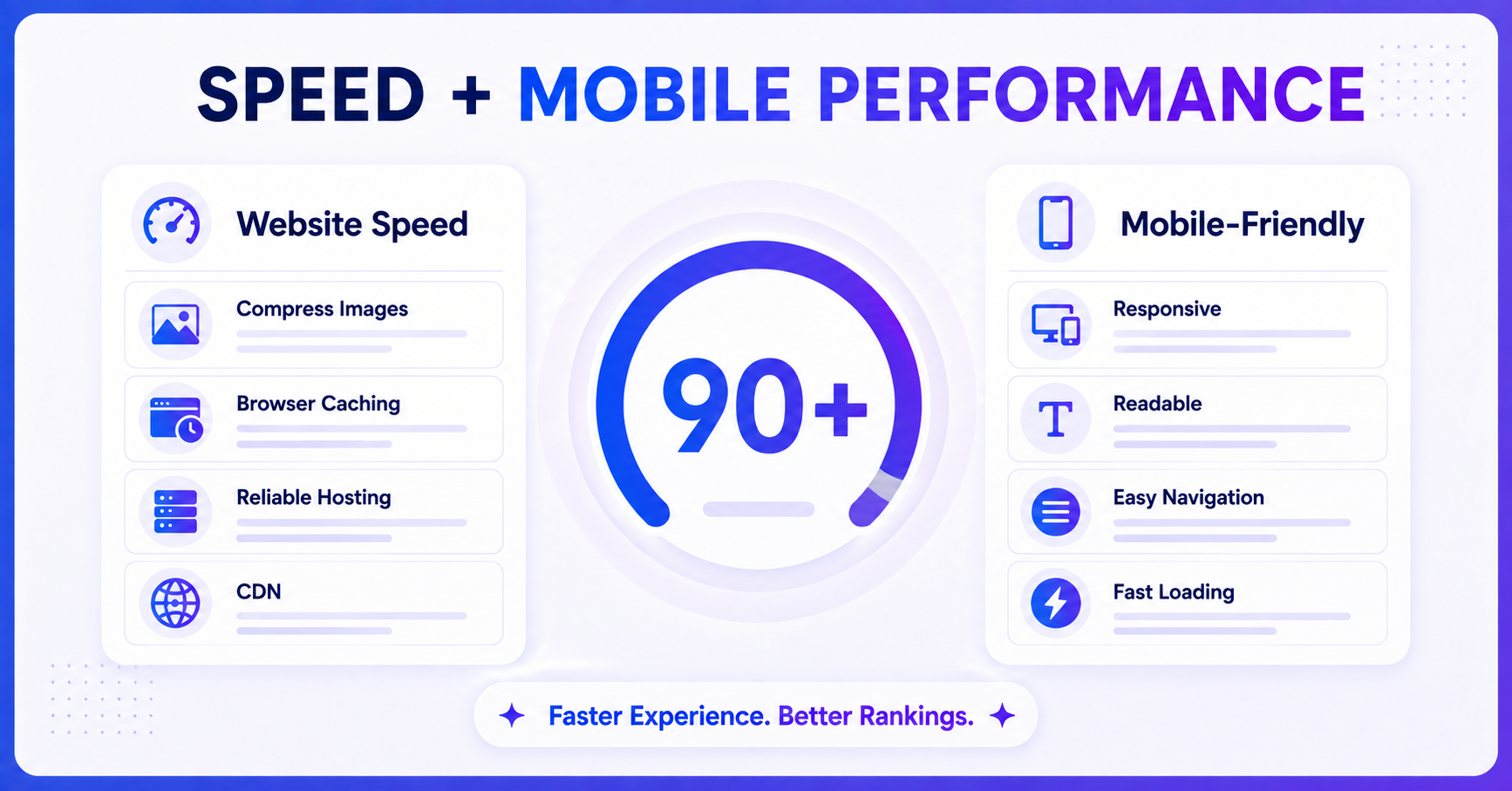
Improve speed by:
-
Compressing images
-
Using browser caching
-
Minimizing CSS and JavaScript
-
Choosing reliable hosting
-
Using a Content Delivery Network (CDN)
2. Mobile-Friendly Design
More than half of all internet traffic comes from mobile devices.
Google uses mobile-first indexing, meaning it primarily evaluates the mobile version of your website for rankings.
A mobile-friendly website should have:
-
Responsive design
-
Easy navigation
-
Clickable buttons
-
Readable text
-
Fast mobile loading
Responsive websites create a better experience across smartphones, tablets, and desktops.
3. High-Quality Content
Content remains one of the strongest SEO signals.
Your website should provide valuable, informative, and original content that answers users' questions.
Include:
-
Service pages
-
Blog articles
-
FAQs
-
Case studies
-
Industry insights
Fresh content helps search engines recognize your website as active and authoritative.
4. Proper Keyword Optimization
SEO starts with understanding what your audience is searching for.
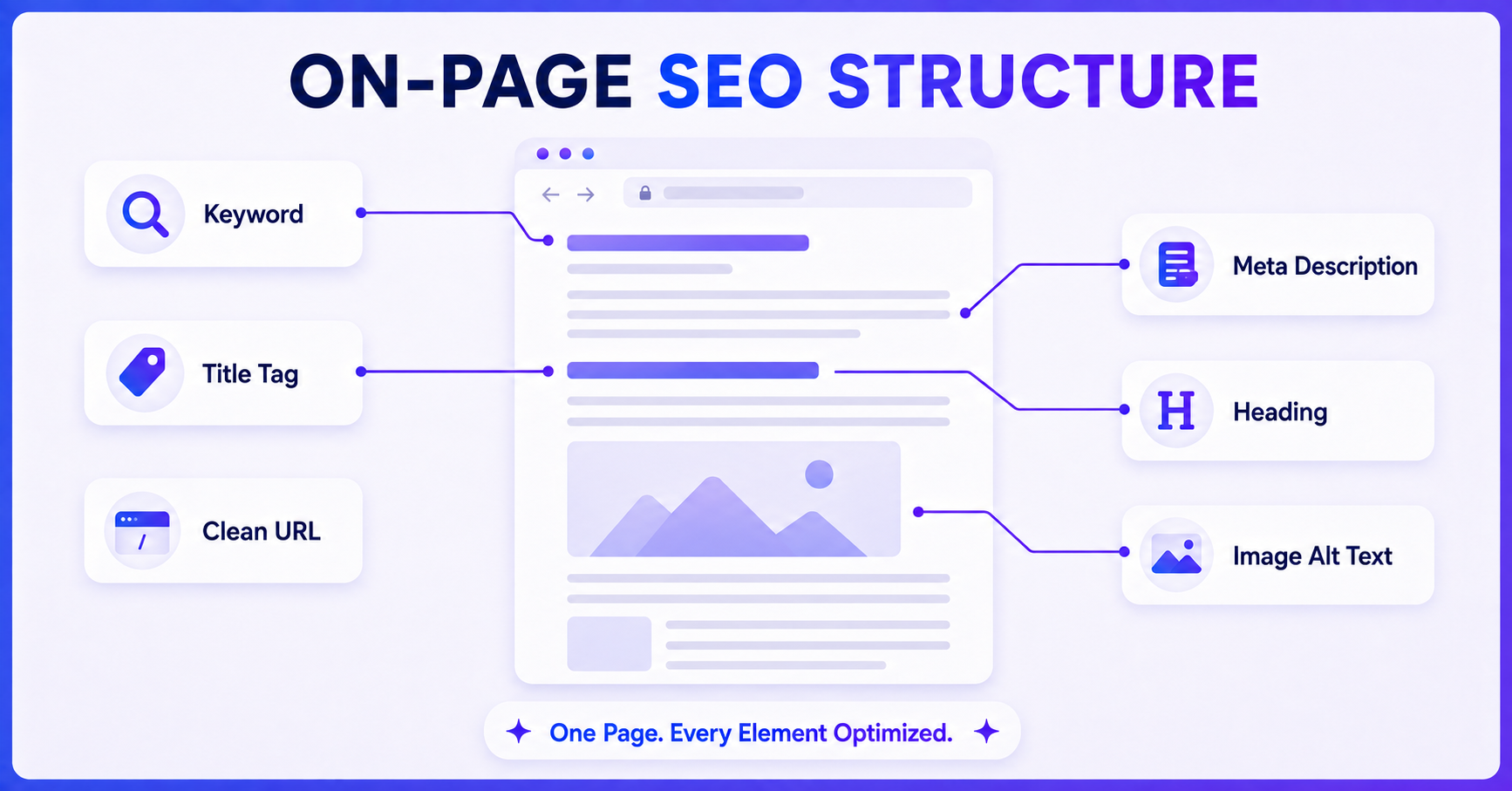
Use relevant keywords naturally in:
-
Titles
-
Headings
-
URLs
-
Meta descriptions
-
Image alt text
-
Body content
Avoid keyword stuffing, as it can negatively impact rankings.
Instead, focus on creating content that satisfies user intent.
5. SEO-Friendly URLs
Clean URLs improve both user experience and search engine understanding.
Example:
Good URL
yourwebsite.com/seo-friendly-business-website
Avoid:
yourwebsite.com/page?id=2457
Short, descriptive URLs are easier to read and rank better.
6. Optimized Title Tags and Meta Descriptions
Every page should include:
-
Unique title tag
-
Compelling meta description
These elements help search engines understand your page while encouraging users to click from search results.
7. Secure Website (HTTPS)
Website security builds trust.
Google considers HTTPS a ranking signal.
SSL certificates protect customer information and improve credibility.
Visitors are also more likely to stay on secure websites.
8. User-Friendly Navigation
Visitors should easily find the information they need.
Good navigation includes:
-
Clear menus
-
Logical page hierarchy
-
Internal links
-
Search functionality
-
Breadcrumb navigation
Easy navigation improves both SEO and user experience.
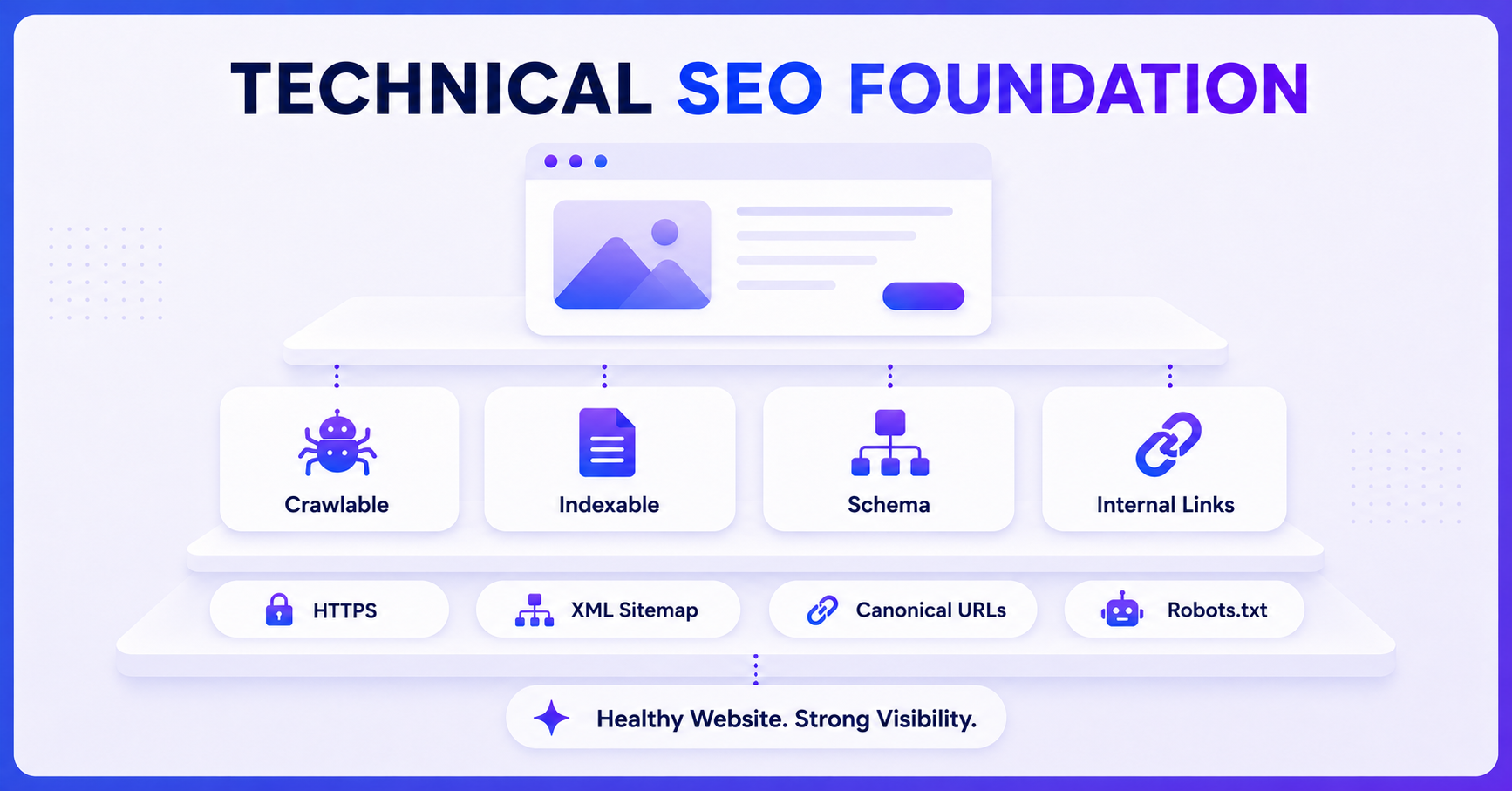
9. Technical SEO Optimization
Technical SEO ensures search engines can properly crawl and index your website.
Important elements include:
-
XML Sitemap
-
Robots.txt
-
Canonical URLs
-
Structured data
-
Crawl error fixes
-
Broken link management
Regular technical audits help maintain website health.
10. Optimized Images
Images improve engagement but should also support SEO.
Best practices:
-
Compress image sizes
-
Use descriptive filenames
-
Add alt text
-
Choose modern image formats
-
Enable lazy loading
Optimized images improve loading speed and accessibility.
11. Internal Linking
Internal links connect related pages across your website.
Benefits include:
-
Better crawlability
-
Improved page authority
-
Increased user engagement
-
Longer session duration
Linking blogs to service pages also helps guide users through your website.
12. Local SEO Optimization
Businesses serving specific locations should optimize for local search.
Include:
-
Google Business Profile optimization
-
Consistent Name, Address, Phone Number (NAP)
-
Location-specific pages
-
Customer reviews
-
Local keywords
Local SEO helps businesses appear in "near me" searches and Google Maps results.
13. Schema Markup
Schema markup provides additional information to search engines.
It helps generate rich search results like:
-
FAQs
-
Reviews
-
Ratings
-
Business information
Rich snippets often improve click-through rates.
14. Quality Backlinks
Backlinks remain an important ranking factor.
High-quality backlinks from trusted websites signal authority to search engines.
Focus on earning links through:
-
Guest blogging
-
Industry partnerships
-
High-quality content
-
Digital PR
Avoid spammy link-building practices.
15. Regular Content Updates
Search engines prefer websites that remain active.
Update:
-
Blogs
-
Service pages
-
Statistics
-
Images
-
FAQs
Regular updates help maintain rankings and improve relevance.
Common SEO Mistakes to Avoid
Many businesses unknowingly limit their website's SEO performance by making avoidable mistakes.
Common issues include:
-
Duplicate content
-
Missing meta titles and descriptions
-
Slow loading pages
-
Broken links
-
Poor mobile usability
-
Thin or outdated content
-
Keyword stuffing
-
Ignoring technical SEO
-
Missing image alt text
-
Weak internal linking
Regular SEO audits help identify and fix these issues before they impact rankings.
Why Partner with Nova Vision?
Creating an SEO-friendly website requires expertise in content strategy, technical SEO, web design, and ongoing optimization. Nova Vision offers comprehensive SEO and digital marketing solutions that help businesses improve their online visibility, attract qualified traffic, and generate more leads.
Our services include:
-
Website SEO audits
-
Technical SEO optimization
-
Keyword research
-
On-page SEO
-
Content marketing
-
Local SEO
-
Link-building strategies
-
Performance monitoring and reporting
By combining data-driven strategies with industry best practices, Nova Vision helps businesses build websites that perform well for both users and search engines.
Conclusion
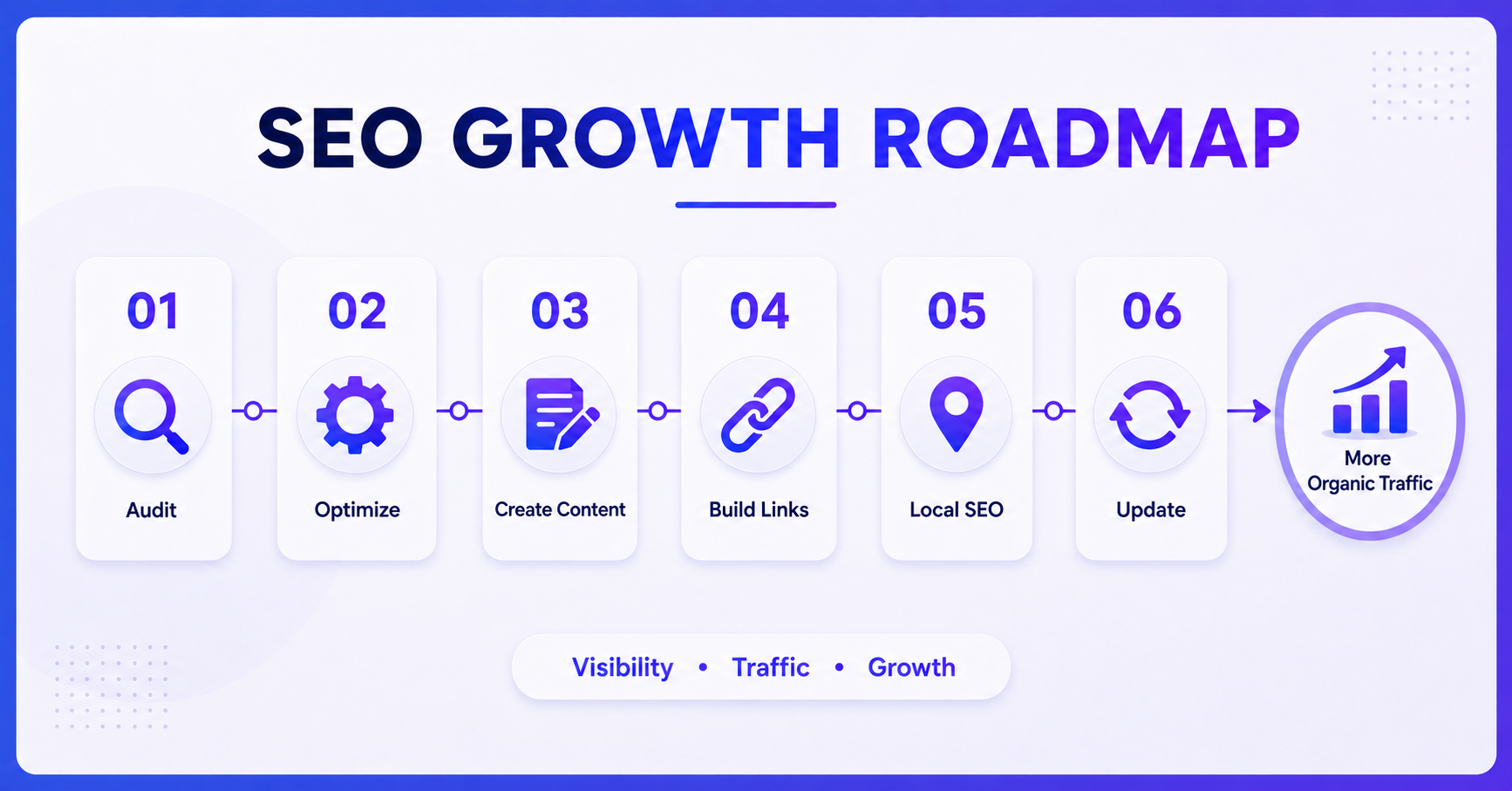
An SEO-friendly website is the foundation of a successful digital marketing strategy. From fast loading speeds and mobile responsiveness to quality content, technical optimization, and local SEO, every element plays a role in improving search engine rankings and user experience.
Businesses that invest in SEO-friendly websites are better positioned to attract organic traffic, build credibility, and achieve long-term growth. With the right strategy and continuous optimization, your website can become a powerful tool for generating leads and driving business success.
If you're looking to improve your website's SEO performance, Nova Vision can help you create a search-optimized website that delivers measurable results and supports your long-term business goals.