If you run a business in India today, chances are your customers are already searching for you on Google the question is whether they're finding you or your competitor. That single gap is what separates brands that grow predictably from brands that depend entirely on luck, referrals, or expensive paid ads that stop working the moment the budget runs out.
This is exactly where SEO services India businesses trust make the difference. Search Engine Optimization (SEO) isn't a one-time technical fix or a checklist you complete and forget. It's an ongoing, data-driven engine that compounds over time improving your visibility, your credibility, and ultimately your revenue. In this guide, we'll break down what modern SEO actually involves, why cutting corners costs you more in the long run, and how a structured, transparent SEO process (like the one used by Novavision Mediatech) delivers measurable results.
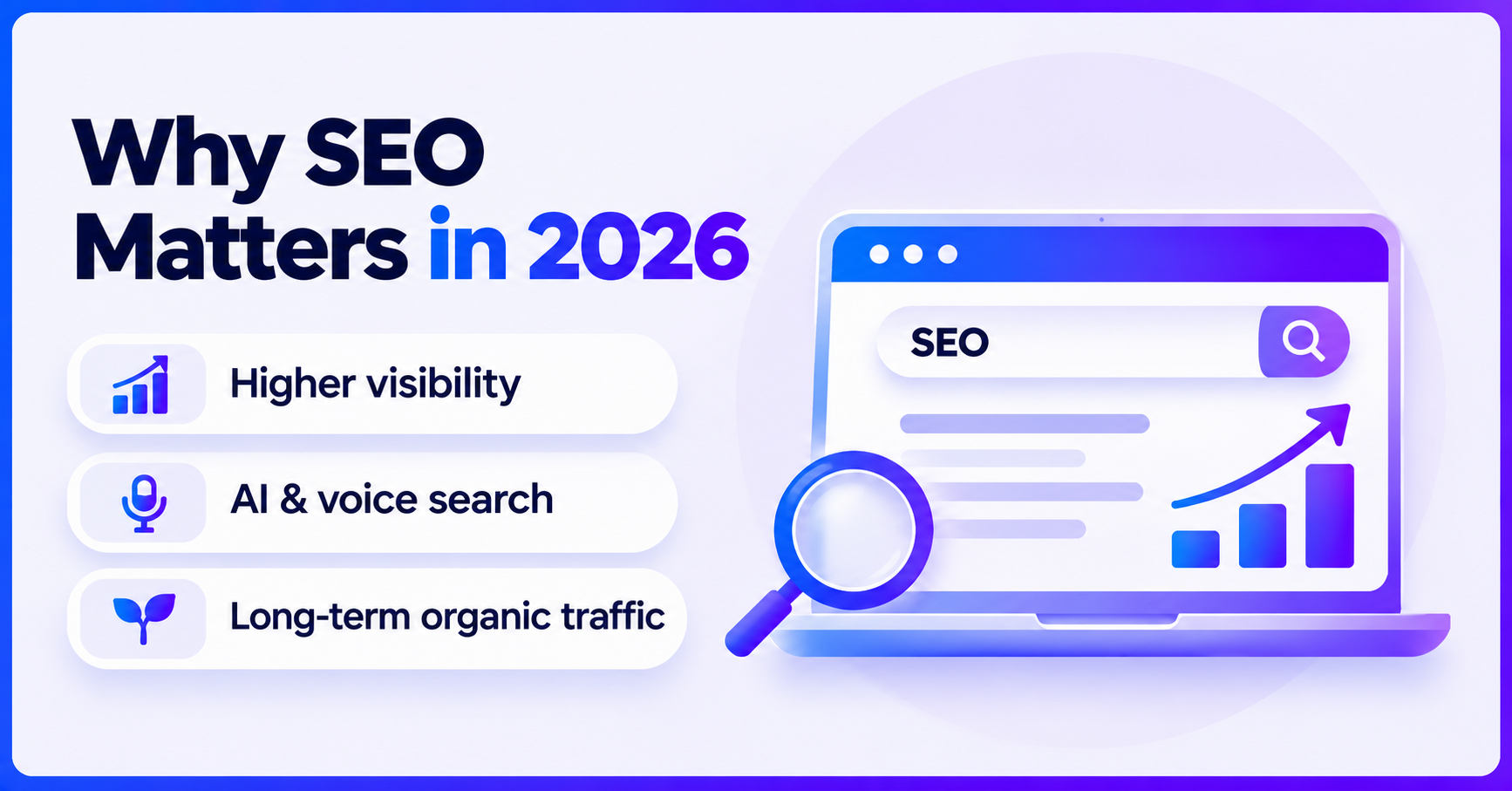
Why SEO Still Matters More Than Ever in 2026
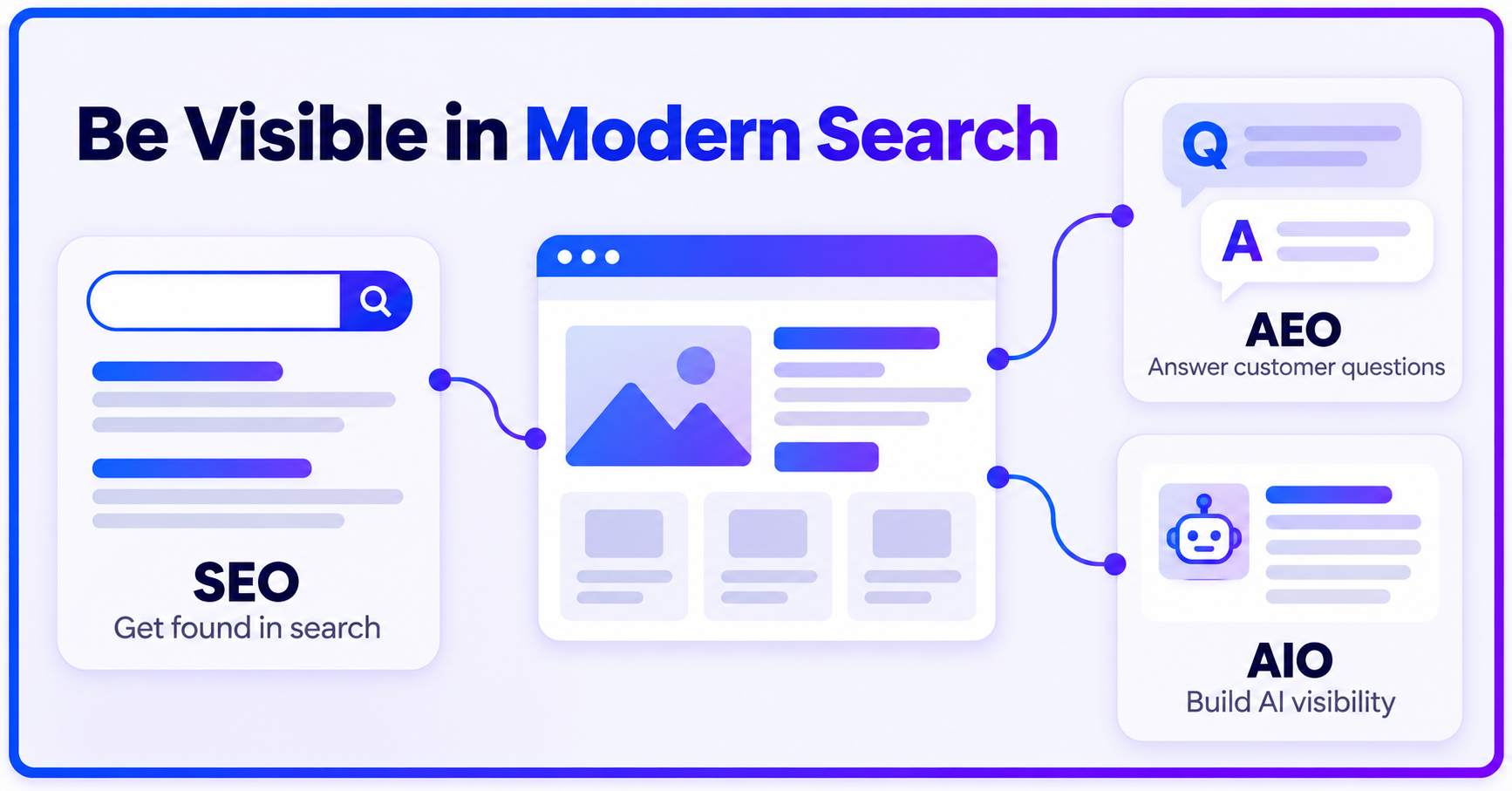
Some business owners assume SEO has become less relevant with the rise of paid ads and AI-driven search tools. The opposite is true. As AI Overviews, featured snippets, and voice search reshape how people discover information, the businesses with strong technical foundations and authoritative content are the ones AI systems and search engines trust enough to recommend. SEO today isn't just about ranking on a results page it's about being the answer.
Unlike paid advertising, which stops generating traffic the second you stop paying, SEO builds a compounding asset. A well-optimized page can keep ranking, keep attracting visitors, and keep converting leads for years with proper maintenance. That's why the smartest brands treat SEO and paid search as complementary strategies rather than either-or decisions paid ads for immediate visibility, SEO for lasting, sustainable growth.
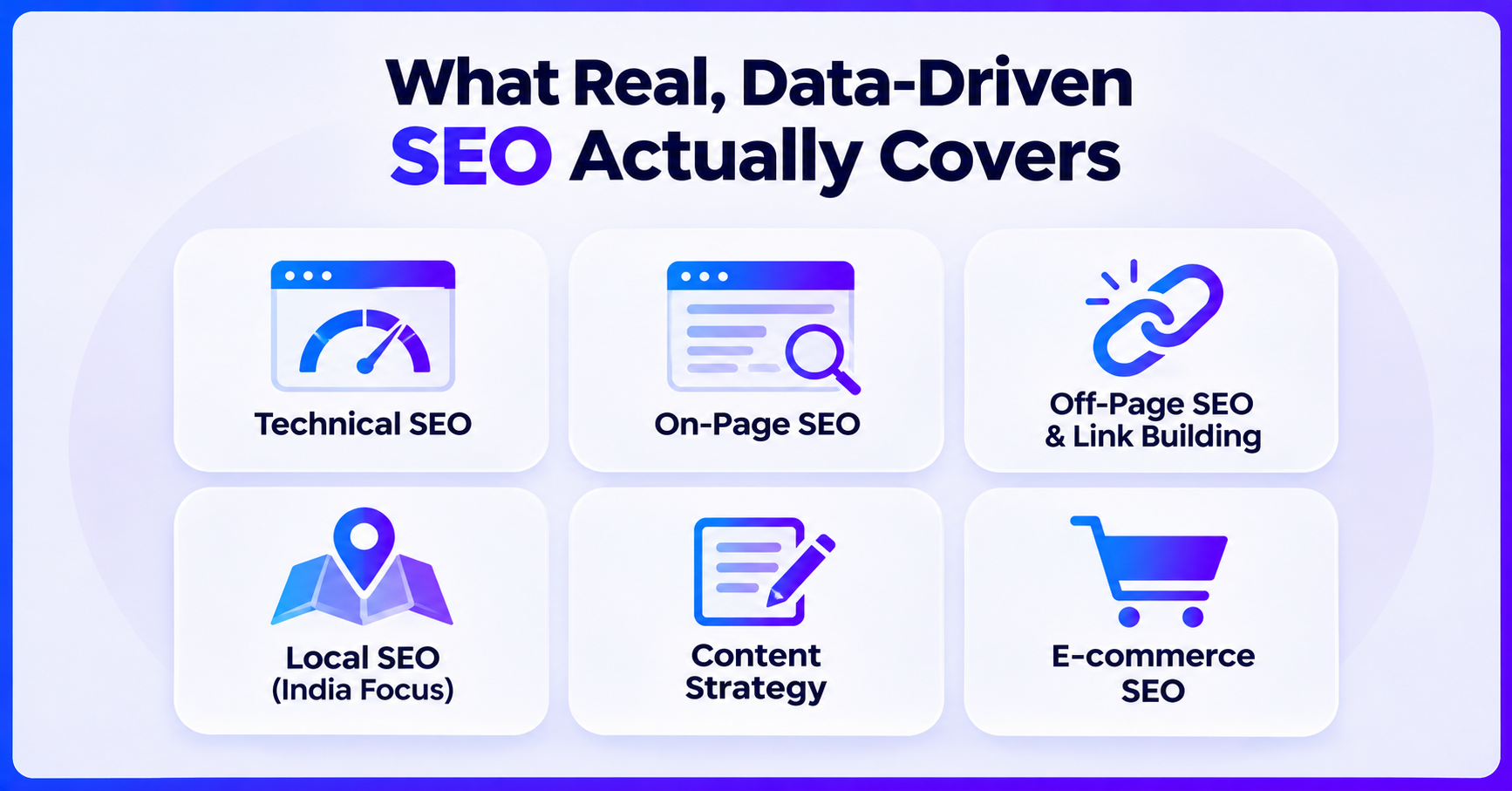
What Real, Data-Driven SEO Actually Covers
A common mistake businesses make is thinking SEO means stuffing a few keywords into a page and hoping for the best. Genuine SEO is a multi-layered discipline. Here's what a comprehensive strategy should include:
1. Technical SEO
Before search engines can rank your content, they need to be able to crawl and understand it efficiently. Technical SEO covers:
-
Site speed optimization, since slow-loading pages hurt both rankings and user experience
-
Mobile usability, given the majority of Indian search traffic now comes from mobile devices
-
Fixing crawl errors and broken links that prevent search engines from indexing your site properly
-
Implementing structured data (schema markup) so search engines can display rich results
Without a solid technical foundation, even the best content will struggle to rank.
2. On-Page SEO
This is where your content and your website structure meet search intent. On-page SEO involves optimizing title tags, meta descriptions, header tags, and internal linking so that each page clearly targets high-intent keywords your audience is actually searching for. Done well, on-page SEO helps both search engines and human visitors immediately understand what a page offers.
3. Off-Page SEO & Link Building
Search engines treat backlinks as votes of confidence. Earning high-authority backlinks from relevant Indian and international domains signals trust and authority, which directly influences how competitively your pages can rank. This isn't about buying spammy links in bulk it's about building relationships and content worth linking to.
4. Local SEO (India Focus)
For businesses that serve specific cities or regions, local SEO is often the fastest path to qualified leads. This includes optimizing your Google Business Profile, building consistent local citations, and creating location-specific content that captures "near me" searches a category of search intent that converts exceptionally well because the user is often ready to buy or visit.
5. Content Strategy
Sustainable rankings are built on content that genuinely answers your customers' questions. A strong SEO program includes a monthly content calendar of blogs, guides, and service pages designed around real search demand — not guesswork.
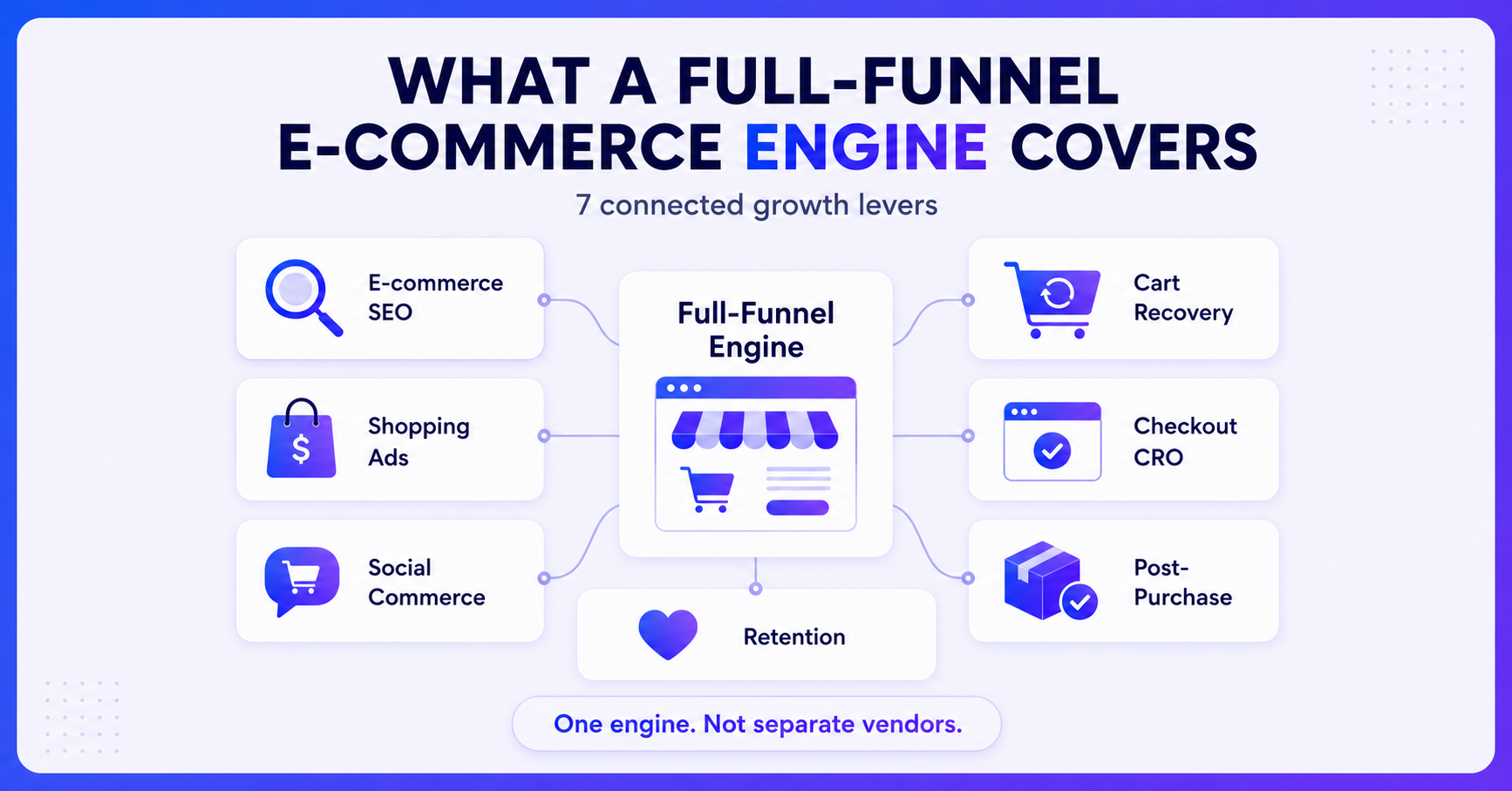
6. E-commerce SEO
For online stores, SEO takes on additional complexity: optimizing product pages, structuring categories logically, and implementing rich snippets that make products stand out in search results and drive more product-specific searches.
The Problem With "Quick Fix" SEO
Plenty of agencies promise overnight rankings or guarantee a #1 spot on Google. Be cautious of both claims. No ethical SEO agency can guarantee a #1 ranking Google's algorithm is complex, constantly evolving, and influenced by hundreds of factors, many of which are outside anyone's direct control. What a credible agency can promise is strict adherence to Google's guidelines, the use of proven, sustainable strategies, and transparent, honest reporting on progress.
Shortcuts like keyword stuffing, low-quality link farms, or duplicate content might produce a temporary bump, but they routinely trigger penalties that can set a website back for months. Real growth is boring in the best possible way: consistent, incremental, and durable.
How a Structured SEO Engagement Actually Works
A results-driven SEO process typically follows a clear, phased approach rather than throwing tactics at the wall. Here's what that looks like in practice:
Discovery & Research Phase
Before any execution begins, a proper SEO team analyzes your existing traffic, studies your competitors' rankings and backlink profiles, and audits your current content. This is paired with direct conversations about your business goals and target audience. The output of this phase should be a detailed SEO roadmap specifying which pages will be prioritized, which keywords will be targeted, and what results to expect, month by month.
Execution Process
A typical first-month execution timeline looks like this:
-
Week 1: Set up or audit Search Console, GA4, and tracking infrastructure
-
Week 2: Fix critical technical issues and build a prioritized action list
-
Week 3: Optimize the highest-value pages and submit an updated sitemap
-
Week 4 onward: Build backlinks, publish content, and monitor rankings — with weekly updates and monthly reports
Ongoing Optimization
SEO doesn't stop after month one. The strongest results come from a continuous loop: discovery and audits, strategy and planning, creation and setup, and ongoing optimization and scaling with A/B testing and weekly reporting built into the process so strategy adjusts based on real data, not assumptions.
Metrics That Actually Matter
It's easy for SEO reporting to get buried in vanity metrics. A results-focused SEO partner should track:
-
Organic Traffic Growth — the clearest signal that visibility is translating into visitors
-
Keyword Rankings — specifically tracking movement into top 3 and top 10 positions, where the vast majority of clicks happen
-
Click-Through Rate (CTR) — how compelling your titles and meta descriptions are once you're visible
-
Conversion Rate (Organic) — because traffic without conversions doesn't grow your business
-
Cost Per Lead (SEO) — to demonstrate SEO's efficiency compared to other acquisition channels over time
Tracking these metrics consistently is what separates an SEO program you can trust from one that's just producing activity without impact.
What Results Look Like When SEO Is Done Right
When technical SEO, on-page optimization, content strategy, and link building work together, the compounding effect becomes visible within a few months. Businesses running a full-scale, 6-month SEO engagement have seen average revenue growth of 480%, an average ROI of 3.2x to 4.2x, and first measurable results within 30 days with client satisfaction rates around 98%.
One example worth highlighting is an 8-month SEO campaign for an Indian fashion e-commerce brand that generated ₹2 Crore in monthly revenue, a 480% increase in revenue, a monthly reach of 2.1 million, and a 3.2x return on ad spend. Results like these don't happen from a single tactic they're the product of technical fixes, consistent content publishing, strategic link building, and disciplined monthly optimization working together over a sustained period.
Common Questions About SEO
- How long does SEO take to show results?
Most businesses see initial movement within 3–4 months, while significant, sustainable growth typically takes 6–12 months depending on your industry, competition, and starting point. Anyone promising results in days or weeks is likely using tactics that won't hold up long-term.
2. Do you need SEO if you're already running Google Ads?
Yes and this is one of the most overlooked strategic decisions businesses make. Google Ads delivers immediate visibility, but that visibility disappears the moment you stop paying. SEO builds long-term, sustainable organic traffic that keeps working in the background. Together, paid and organic search create a complete strategy: ads for immediate results, SEO for lasting growth.
3. What's the difference between on-page and off-page SEO?
On-page SEO refers to optimizations made directly on your website your content, meta tags, and internal links. Off-page SEO refers to activities outside your website, primarily earning backlinks from other reputable, relevant sites. Both are necessary; neither works well in isolation.
4. Should every business invest in local SEO?
If you serve customers in specific cities, regions, or even specific neighborhoods, local SEO is often the highest-ROI part of an SEO strategy, since "near me" and location-based searches tend to come from users who are ready to take action.
Choosing the Right SEO Partner
When evaluating an SEO agency, look past flashy promises and ask about process. A trustworthy partner should be able to explain:
-
How they conduct their initial audit and competitor research
-
What their monthly reporting actually includes, and whether it shows real metrics rather than surface-level activity
-
How they approach link building, since low-quality tactics here can do real damage
-
Whether their content strategy is built around genuine search intent or generic filler
Transparency is the differentiator. Agencies that show you exactly what was done, why it was done, and what impact it had are the ones building SEO programs that last.
Final Thoughts
SEO isn't a switch you flip it's a system you build. Technical foundations, on-page optimization, content strategy, local visibility, and authoritative link building all need to work together, consistently, over months, to produce the kind of compounding organic growth that outlasts any single ad campaign. For businesses serious about sustainable visibility on Google, investing in SEO services India companies rely on grounded in real data, transparent reporting, and Google-compliant strategy remains one of the highest-leverage marketing decisions you can make.
If you're ready to see what a data-driven SEO strategy could do for your business, book a free 30-minute strategy call and get a clear roadmap tailored to your goals.