Search is changing faster than ever before. For years, businesses focused on ranking higher on Google by optimizing keywords, earning backlinks, and improving technical SEO. Today, however, users are increasingly turning to AI-powered search experiences like Google AI Mode, AI Overviews, ChatGPT, Gemini, Perplexity, and other conversational assistants that provide direct answers instead of simply displaying a list of web pages. Google has also continued expanding AI-powered Search capabilities, making AI responses a core part of how people discover information. This shift means that traditional SEO alone is no longer enough. Businesses must now optimize not only for search engines but also for AI systems that summarize, recommend, and cite trusted sources.
If your brand isn't recognized as a trustworthy source, it may never appear in AI-generated answers—even if your website ranks well.
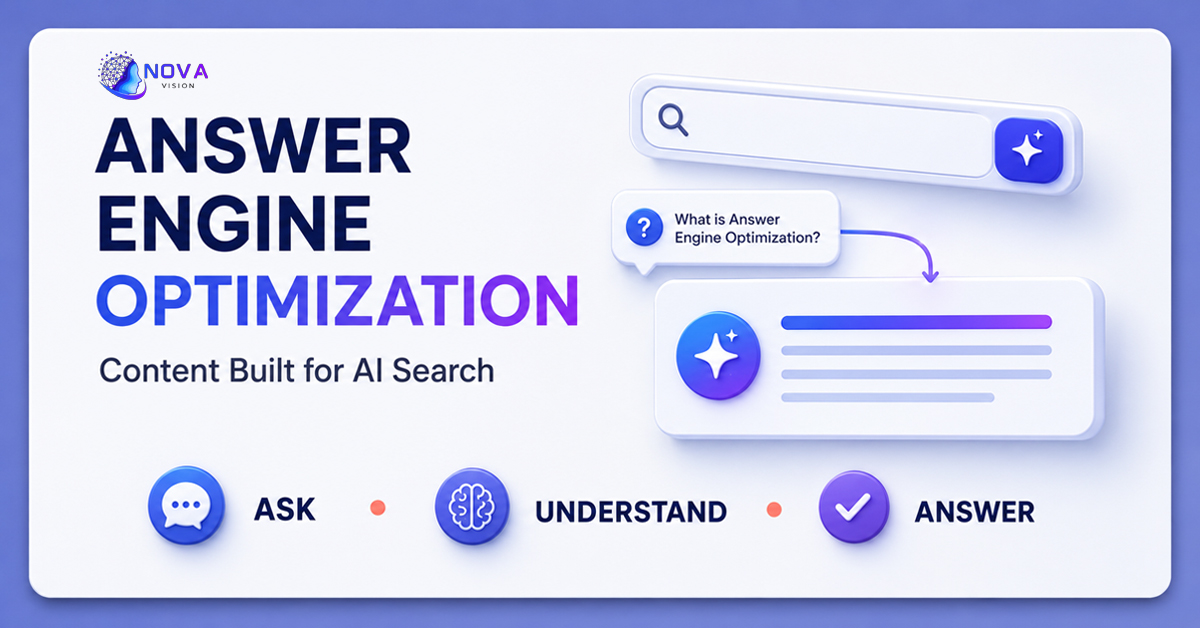
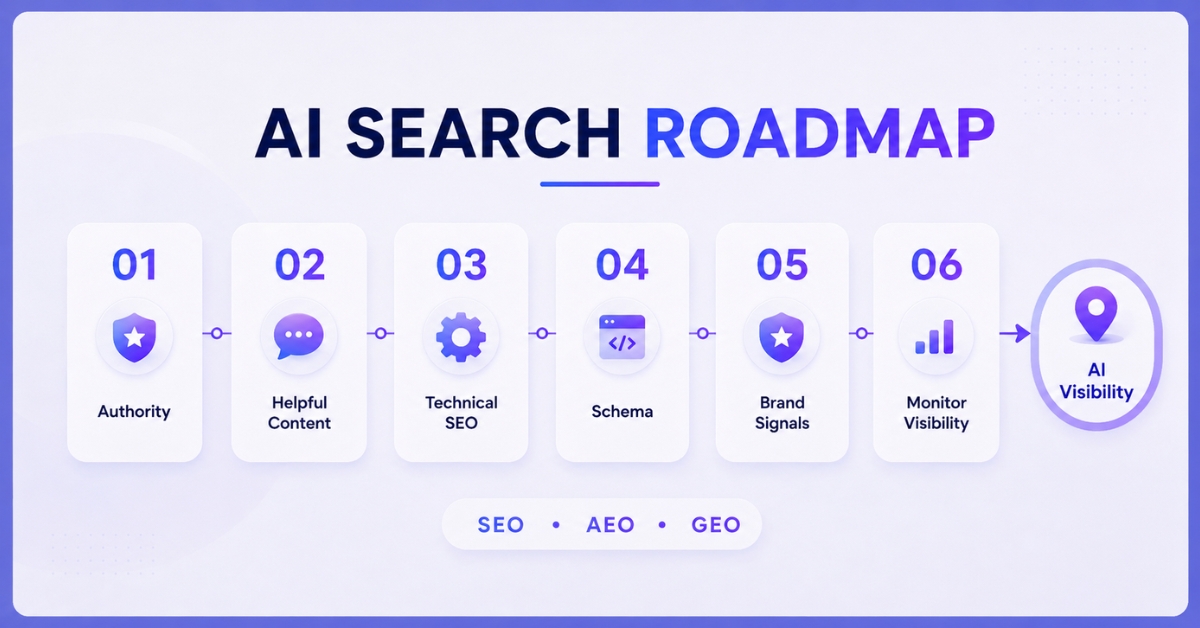
At Nova Vision, we help businesses adapt to this new era by combining SEO, Answer Engine Optimization (AEO), Generative Engine Optimization (GEO), technical optimization, and content marketing to build long-term visibility across both traditional and AI-powered search.
What Is AI Search?
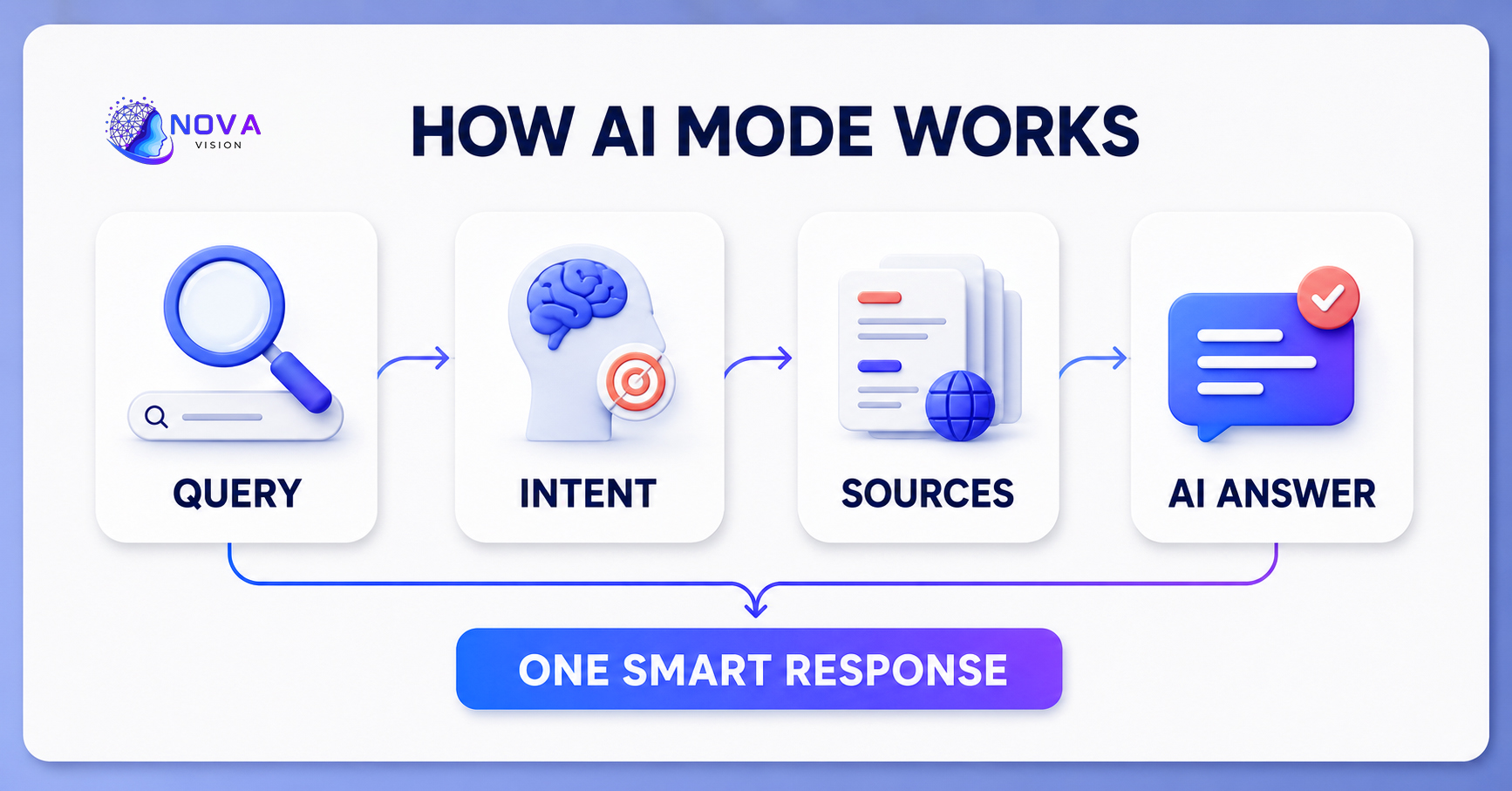
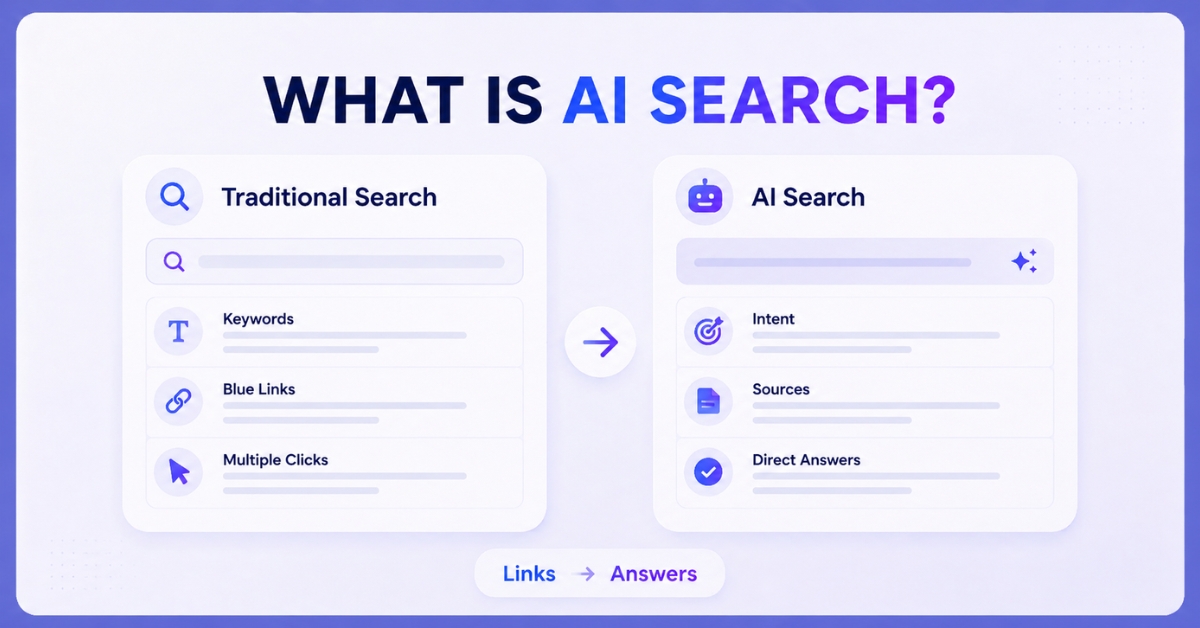
AI search uses artificial intelligence to understand a user's intent and generate direct, conversational answers instead of only presenting links.
Unlike traditional search, AI platforms analyze multiple trusted sources, summarize information, and provide comprehensive responses.
Examples include:
-
Google AI Mode
-
Google AI Overviews
-
ChatGPT
-
Microsoft Copilot
-
Perplexity AI
-
Gemini
Instead of asking:
"Best digital marketing agency"
Users now ask:
"Which digital marketing agency is best for local SEO and AI search optimization?"
AI attempts to answer that question immediately, often reducing the need to click multiple websites. Businesses therefore need content that AI systems can understand, trust, and reference.
Why Businesses Need to Prepare Now
The way people search is changing.
Consumers increasingly expect:
-
Instant answers
-
Personalized recommendations
-
Conversational interactions
-
Reliable sources
-
Quick comparisons
At the same time, AI-generated summaries are reducing clicks for many informational searches, meaning brands must focus on becoming part of the answer—not just ranking for keywords.
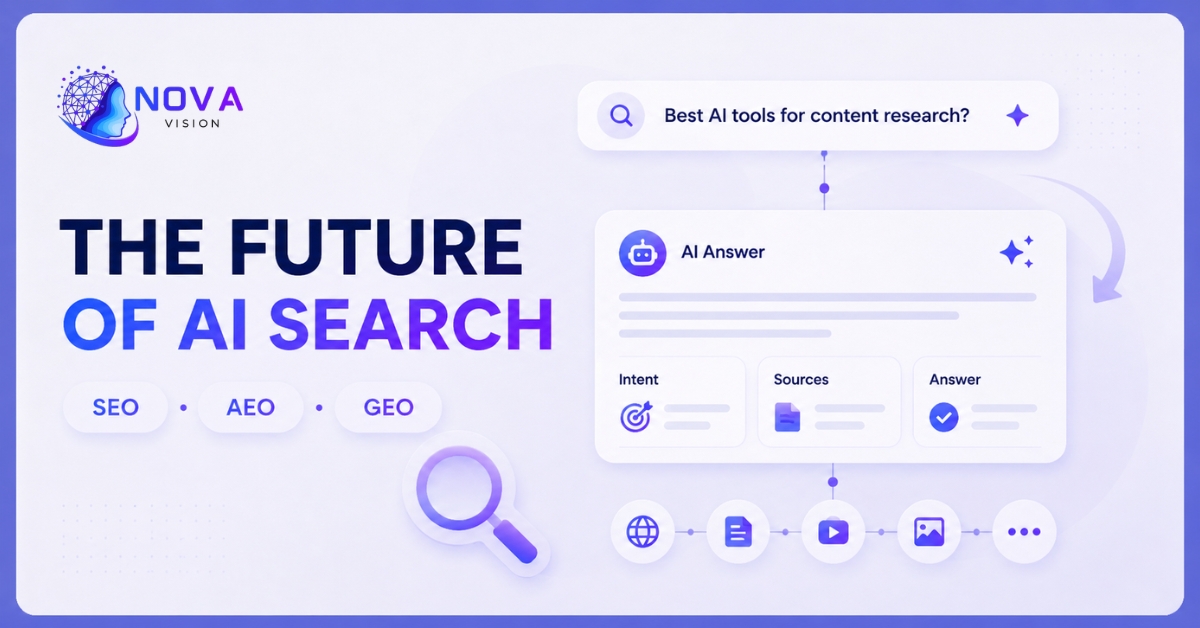
The Future of AI Search
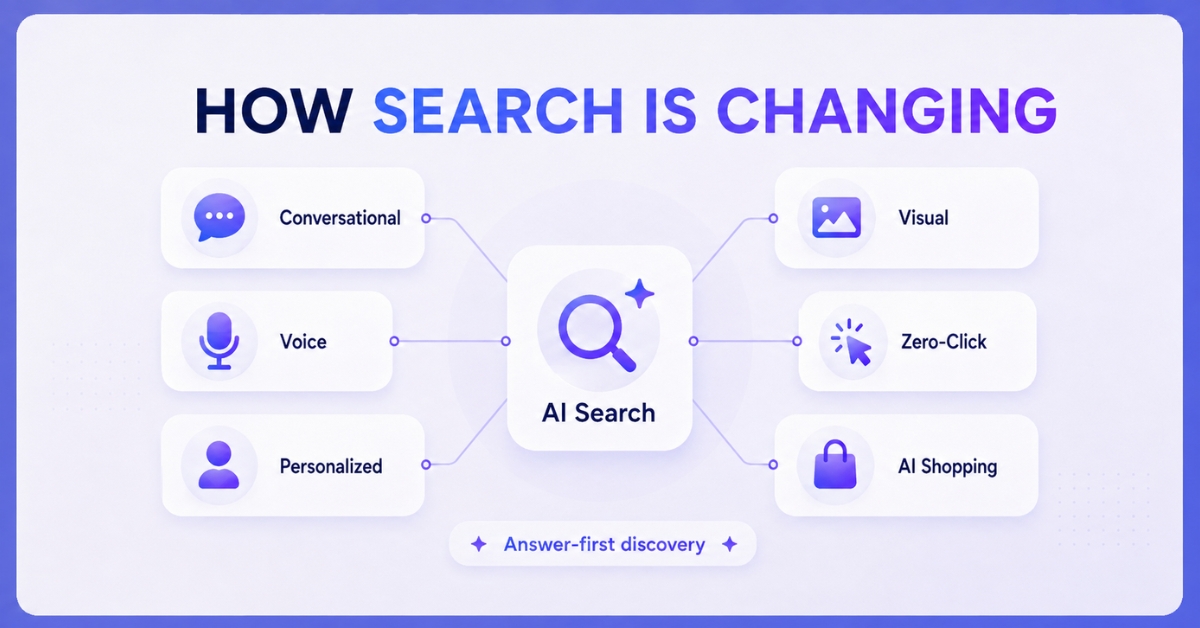
Several trends are reshaping online discovery:
-
Conversational search
-
Voice-first interactions
-
Personalized AI recommendations
-
Visual and multimodal search
-
Zero-click experiences
-
AI-generated buying guides
-
AI shopping assistants
-
Agentic search experiences
Businesses that prepare today will gain a competitive advantage as these behaviors become more common.
1. Build Strong Topical Authority
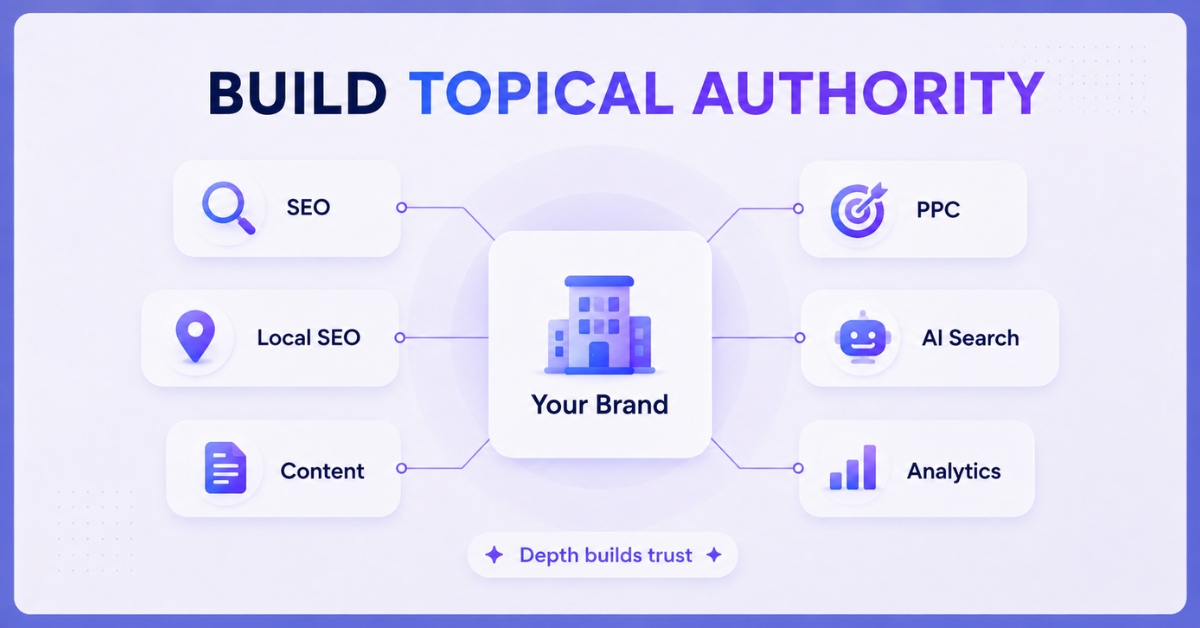
AI systems prefer trusted sources with deep expertise.
Rather than publishing random blog posts, create comprehensive content around your industry.
For example, a digital marketing agency should cover topics such as:
-
SEO
-
Local SEO
-
Technical SEO
-
PPC
-
Google Ads
-
Social Media Marketing
-
Content Marketing
-
AI Search
-
Website Development
-
Analytics
Publishing consistently builds topical authority and increases the likelihood of being referenced by AI systems.
2. Create Helpful, Experience-Based Content
AI prioritizes content that genuinely answers users' questions.
Focus on:
-
Step-by-step guides
-
Case studies
-
Original research
-
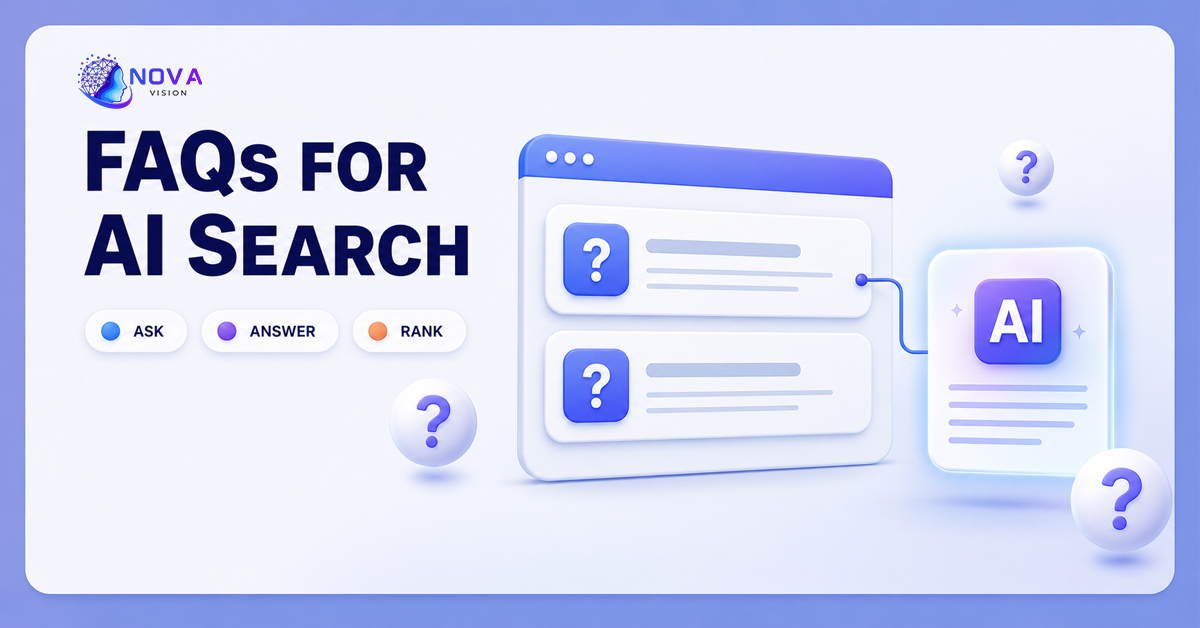
FAQs
-
Industry insights
-
Real examples
-
Practical solutions
Avoid producing large volumes of generic AI-written content.
Original expertise remains one of the strongest signals of credibility.
3. Optimize for Conversational Search
People no longer search using only short keywords.
Instead of:
"SEO company"
They ask:
-
Which SEO company is best for small businesses?
-
How do I improve AI search visibility?
-
Why isn't my website showing in AI answers?
Your content should naturally answer these conversational questions using clear headings, concise explanations, and follow-up sections.
4. Strengthen Technical SEO
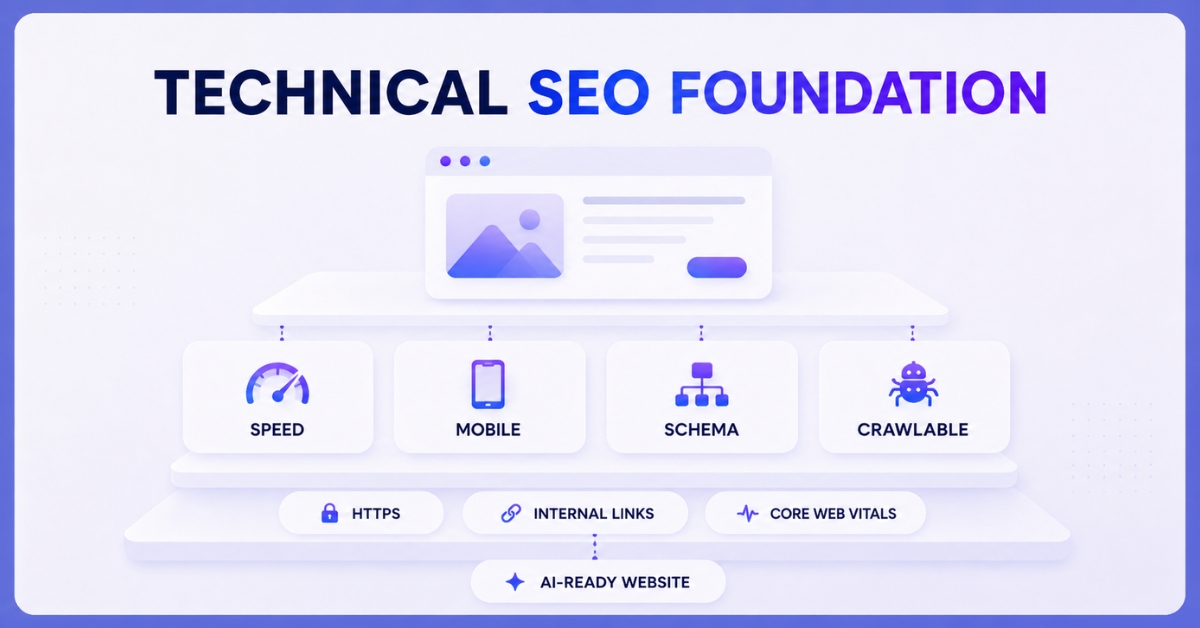
AI still relies on websites that are technically sound.
Ensure your website has:
-
Fast loading speed
-
Mobile responsiveness
-
Secure HTTPS
-
Clean site architecture
-
XML sitemap
-
Proper robots.txt
-
Internal linking
-
Optimized Core Web Vitals
-
Crawlable content
Technical SEO remains the foundation for AI discoverability.
5. Implement Structured Data
Schema markup helps search engines understand your content.
Useful schema types include:
-
Organization
-
Local Business
-
FAQ
-
Article
-
Product
-
Review
-
Breadcrumb
-
Service
Structured data improves machine readability and can increase the chances of your content being surfaced in AI-powered experiences.
6. Build Brand Authority Beyond Your Website
AI models learn from information across the web—not just your own domain.
Strengthen your presence through:
-
Industry publications
-
Guest blogging
-
Business directories
-
Google Business Profile
-
Press coverage
-
Customer reviews
-
Podcasts
-
Social media
-
Interviews
Consistent brand mentions across trusted platforms reinforce authority.
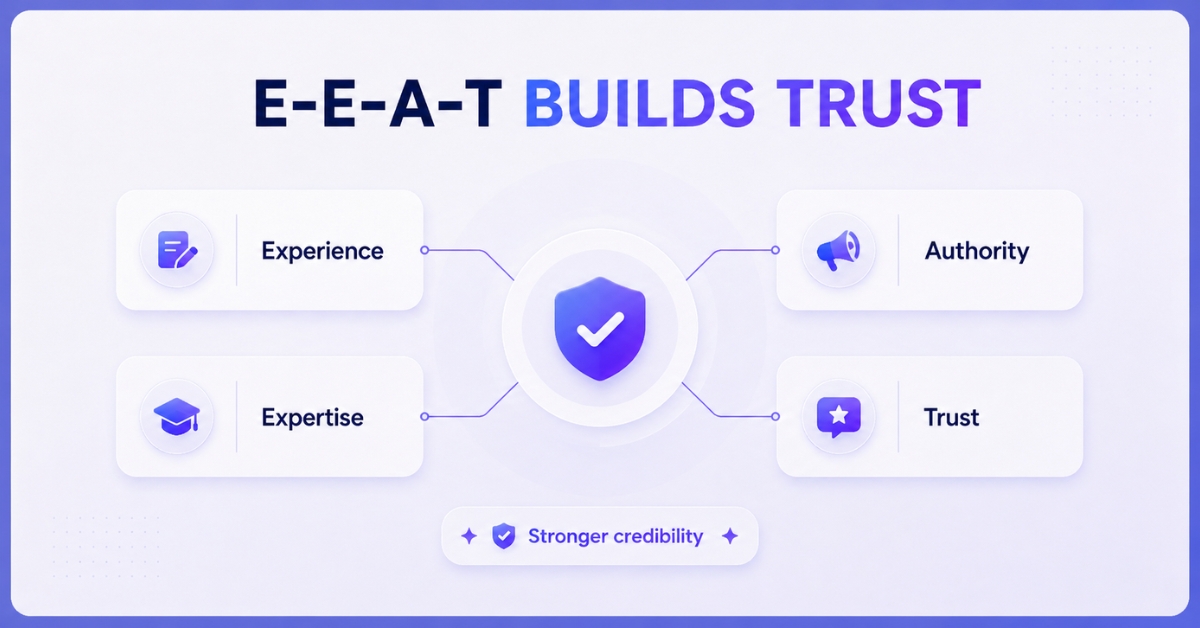
7. Focus on E-E-A-T
Google and AI systems increasingly value:
-
Experience
-
Expertise
-
Authoritativeness
-
Trustworthiness
Strengthen these signals by:
-
Publishing author profiles
-
Including company information
-
Showcasing client success stories
-
Displaying certifications
-
Adding testimonials
-
Updating content regularly
 8. Optimize for Zero-Click Search
Many users now receive answers directly in AI-generated summaries.
Prepare by creating content that:
-
Answers questions immediately
-
Uses concise paragraphs
-
Includes bullet points
-
Defines key concepts
-
Adds FAQ sections
-
Uses descriptive headings
This increases the likelihood that AI systems will reference your content.
9. Keep Content Fresh
AI favors accurate and current information.
Regularly update:
-
Statistics
-
Industry trends
-
Pricing
-
Services
-
Case studies
-
Screenshots
-
Guides
Outdated content is less likely to be referenced.
10. Build High-Quality Backlinks
Authority remains important.
Earn backlinks from:
-
Industry websites
-
News publications
-
Educational institutions
-
Professional associations
-
Trusted blogs
Quality backlinks strengthen credibility for both traditional search engines and AI-driven discovery.
11. Monitor AI Search Visibility
Traditional rankings tell only part of the story.
Businesses should also track:
-
AI mentions
-
Citation frequency
-
Brand visibility in AI tools
-
Share of voice
-
Topic authority
-
Competitor references
These metrics provide insight into how AI systems perceive your brand.
12. Improve Local Search Signals
For local businesses, consistency is essential.
Maintain accurate:
-
Business name
-
Address
-
Phone number
-
Business hours
-
Categories
-
Reviews
-
Location pages
Strong local signals help AI recommend businesses for nearby searches.
Common Mistakes Businesses Should Avoid
Many businesses still make mistakes that reduce their AI visibility:
-
Publishing keyword-stuffed content
-
Ignoring technical SEO
-
Creating duplicate articles
-
Neglecting structured data
-
Using outdated information
-
Having weak internal linking
-
Overlooking brand authority
-
Failing to answer customer questions directly
Avoiding these issues can improve both traditional SEO and AI search performance.
How Nova Vision Helps Businesses Prepare for AI Search
At Nova Vision, we go beyond conventional SEO to help businesses stay competitive in the evolving AI search landscape. Our approach combines technical expertise, strategic content creation, and data-driven optimization to improve visibility across search engines and AI-powered platforms.
Our AI Search services include:
-
AI Search Optimization
-
Search Engine Optimization (SEO)
-
Answer Engine Optimization (AEO)
-
Generative Engine Optimization (GEO)
-
Technical SEO Audits
-
Content Strategy & Topical Authority
-
Local SEO
-
Google Business Profile Optimization
-
Website Performance Optimization
-
Digital PR & Authority Building
-
Analytics and Performance Reporting
By aligning your digital presence with how AI systems evaluate and surface information, we help your brand become more discoverable, credible, and competitive.
Conclusion
The future of search is no longer limited to ranking on a search results page. AI-powered search experiences are changing how people discover businesses, compare services, and make purchasing decisions. Brands that invest in authoritative content, technical excellence, structured data, and a strong digital reputation will be better positioned to appear in AI-generated answers and recommendations.
Preparing now isn't just about adapting to new technology—it's about building a resilient digital strategy that supports long-term growth. With the right combination of SEO, AEO, GEO, and ongoing optimization, businesses can thrive in both traditional search and the AI-driven future.
If you're ready to make your business AI-search ready, Nova Vision can help you develop a strategy that keeps your brand visible wherever customers search next.